
Why it matters
It is one of the essential interactive steampunk works, reimagining Around the World in Eighty Days as a branching global journey full of machines, politics and alternative routes.
80 Days takes Jules Verne's race around the world and turns it into an interactive travel web of automata, airships, revolutions and luggage management, which is where adventure becomes truly serious.
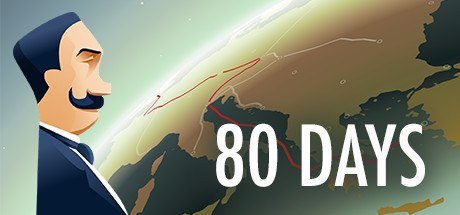
Developed by Inkle and released in 2014, 80 Days reworks Jules Verne's famous travel wager from the perspective of Passepartout. Phileas Fogg still wants to circumnavigate the globe, but the game turns the route into a vast interactive network of choices, conveyances, encounters and consequences. This is Verne with branching paths and a diary full of decisions.
The steampunk material is woven through the travel itself. Airships, automata, mechanical transport and alternative technologies appear across the world, but the game avoids turning them into a simple gadget parade. Machines are tied to politics, labour, local histories and shifting power. The result is much richer than a brass reskin of Verne.
The choice of viewpoint is clever. Passepartout handles money, luggage, routes and relationships, which makes the adventure feel logistical as well as romantic. Steampunk often loves the grand vehicle, but 80 Days remembers that travel is also tickets, delays, weather, class, labour and the terror of realising one packed badly.
Its global scope is especially important. Older steampunk often leaned too heavily on London and empire. 80 Days travels widely while giving each location its own texture and tension. It is not perfect, but it works hard to make the world more than a stage for British eccentricity. The route becomes a map of alternative modernities.
The writing is the real engine. Inkle turns short passages, choices and consequences into a story that can be elegant, funny, political or surprising from one moment to the next. That human texture keeps the machines from becoming cold catalogue items. A new conveyance matters because it changes what can happen and who might be met along the way.
It belongs naturally beside Nostalgia and Space: 1889. All three turn travel into structure. Nostalgia gives the nineteenth-century world tour a JRPG airship shape. Space: 1889 extends Victorian travel into the solar system. 80 Days makes terrestrial travel dense, branching and politically alive.
As interactive fiction, it also shows steampunk thriving without visual overload. There are images and maps, but the work's greatest machinery is narrative. Routes click together, choices lock and unlock possibilities, and the whole world becomes a clockwork of deadlines and detours. That is very steampunk, even when the screen is mostly text.
Its humour helps too. 80 Days can be sharp about empire, technology and money without turning the journey into a lecture with timetables. It lets absurdity, danger and elegance sit together. Passepartout may be choosing routes and balancing funds, but he is also moving through a world where the future keeps arriving in strange local shapes.
Is it really steampunk?
Yes. 80 Days is core interactive Vernean steampunk: world travel, automata, airships, alternate technologies, politics and branching narrative built from a classic scientific-romance ancestor.
It suits readers and players who want invention, wit and geography, with the added pleasure of blaming Fogg when the timetable goes feral.
Find it
If you would like to track down 80 Days, these search links may help. We have not specified an edition, so you can pick the format that suits you.
Affiliate links: as an Amazon Associate, Stephen Hunt’s SFcrowsnest earns from qualifying purchases. These may earn us a small commission at no extra cost to you.