
Why it matters
It is not steampunk, but its aristocratic spectacle, revolution, gender performance and theatrical historical mood are useful context for gaslamp and neo-historical fantasy.
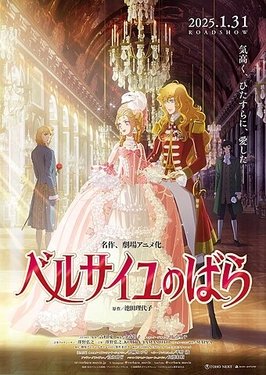
The anime version of The Rose of Versailles takes courtly splendour, revolutionary pressure and doomed elegance, then lets history walk through the palace with its boots on.
Adapted from Riyoko Ikeda's manga, the television series follows Oscar Francois de Jarjayes, Marie Antoinette and the world of the French court as political pressure builds towards revolution. The anime is remembered for its dramatic compositions, emotional intensity and historical melodrama, especially under Osamu Dezaki's direction after the early production phase.
The steampunk fit is indirect, and it needs careful handling. There is no alternate machinery, no steam-age divergence and no world rearranged by invention. The series belongs near the field because steampunk and gaslamp fiction often borrow the same visual and social grammar: uniforms, courts, salons, privilege, disguise, secret feeling and the sense that old systems are one scandal away from collapse.
Oscar remains the central reason the work travels beyond simple costume drama. Raised as a man and serving within a rigid aristocratic order, Oscar exposes the theatrical nature of gender, rank and duty. Period fantasy often thrives on people trapped inside roles that look beautiful from a distance and brutal from the inside. The Rose of Versailles understands that trap with uncommon force.
The anime also matters because it helped carry a landmark shoujo story to a wider screen audience. Its emotional style is not restrained drawing-room realism. It is heightened, operatic and very aware that a stare across a hall can do the work of a cannon if framed correctly. That taste for theatrical history makes it a close cousin to gaslamp melodrama.
For steampunk readers, the value is contrast. Machinery is absent, but pressure is everywhere. Court etiquette works like a mechanism. Inheritance, class, gender and royal duty turn private lives into moving parts. That is not a boiler, but it is a system, and systems are where much retro-historical fiction finds its heat.
It also broadens the international frame. Not every useful neighbour to steampunk comes from British industrial fantasy or American Weird West adventure. Japanese anime brought its own routes into period imagination, and The Rose of Versailles is one of the grandest examples: French history filtered through shoujo intensity, political melodrama and visual flourish.
It also gives viewers a reminder that costume drama and speculative taste are often closer than they pretend. The candlelit rooms, uniforms, duels of etiquette and carefully staged emotion create a heightened past that later gaslamp works would recognise immediately. The difference is that Rose does not need the supernatural or mechanical to make the old order feel unreal. Versailles is already strange enough.
The anime's visual grammar helps too. Dezaki's dramatic framing and frozen moments make private emotion feel monumental, which suits a story about people trapped inside public history. That intensity is not steampunk machinery, but it is very much part of the wider period-fantasy appetite for theatrical pressure.
Is it really steampunk?
No. The anime is historical melodrama and gaslamp-adjacent period drama, not steampunk. Its relevance lies in costume, social machinery, revolution, gender performance and the theatrical handling of history.
It belongs on the border shelf for readers who enjoy the non-mechanical half of retro-historical fantasy: the part where power wears silk, disaster has excellent posture and everyone ought to have left Versailles earlier.
Find it
If you would like to track down The Rose of Versailles anime, these search links may help. We have not specified an edition, so you can pick the format that suits you.
Affiliate links: as an Amazon Associate, Stephen Hunt’s SFcrowsnest earns from qualifying purchases. These may earn us a small commission at no extra cost to you.