
Why it matters
It is a landmark stealth game whose dark city, religious orders, machinery, class texture and gaslamp mood helped shape later steampunk-adjacent urban fantasy in games.
Thief: The Dark Project understands that the best way to admire a gaslit city is quietly, from the shadows, while carrying someone else's silverware.
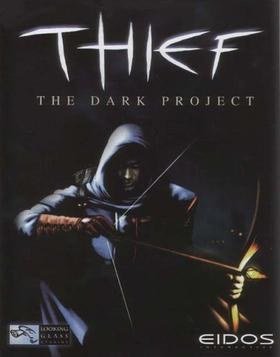
Developed by Looking Glass Studios and released in 1998, Thief: The Dark Project follows Garrett, a professional thief moving through a city of nobles, guards, cults, ancient powers and bad lighting. Its importance to game design is enormous: it helped define first-person stealth through sound, shadow and patience. Its importance to this guide lies in the world it builds around that stealth.
The City is not straightforward steampunk. It is medieval, gothic, industrial, magical and Victorian in overlapping layers, as if history had been badly stacked by a distracted archivist. That mixture is precisely why it matters. Later gaslamp and steampunk-adjacent games would often use similar urban blends: old stone, new machinery, occult danger, social hierarchy and technological sects all sharing the same alleys.
The Hammerites and, later in the series, the Mechanists give the setting its strongest mechanical and religious charge. Even in the first game, the tension between old faith, invention and hidden power is present. Machinery is not just a tool. It is belief, discipline and authority. That makes the world feel more textured than a generic fantasy city with better lamps.
Stealth also changes how the player experiences the setting. In many games, machinery is scenery or weaponry. In Thief, the player listens to rooms, studies patrols, reads architecture and learns how power sounds at night. Gaslamp atmosphere becomes interactive. A corridor is not merely moody; it is a risk calculation with carpet.
Its relationship to Blades in the Dark is especially clear in retrospect. Both works centre thieves in dark industrial or pseudo-industrial cities full of factions, supernatural pressure and class boundaries. Blades turns that material into crew-based tabletop play. Thief makes it sensory and spatial. The family resemblance is strong enough that one can almost hear Garrett disapproving of the paperwork.
The game also belongs near the urban line that runs through The Difference Engine and Perdido Street Station. It is less concerned with alternate history than either, but it shares the fascination with cities as systems: wealth above, labour below, institutions everywhere and strange forces under the floorboards.
For steampunk readers, Thief is valuable because it shows adjacency at its most productive. It does not need to tick every gear-shaped box. Its atmosphere, machinery, lamps, class tensions and urban secrecy all feed the same appetite that draws people to darker gaslamp fiction. It is a cousin in a hood, and it knows where the valuables are.
Is it really steampunk?
Adjacent. Thief: The Dark Project is gaslamp stealth fantasy rather than core steampunk, but its dark city, machinery cults, class texture and Victorian shadows make it highly relevant.
It suits players who prefer the genre quiet, dangerous and heard through a door before it is seen.
Find it
If you would like to track down Thief: The Dark Project, these search links may help. We have not specified an edition, so you can pick the format that suits you.
Affiliate links: as an Amazon Associate, Stephen Hunt’s SFcrowsnest earns from qualifying purchases. These may earn us a small commission at no extra cost to you.