
Why it matters
It is one of the essential modern steampunk-adjacent games, using Dunwall's whale-oil technology, class rot, stealth design and occult powers to create a grimy industrial fantasy city.
Dishonored gives us a plague city, whale-oil technology and supernatural revenge, because apparently ordinary political assassination was not atmospheric enough.
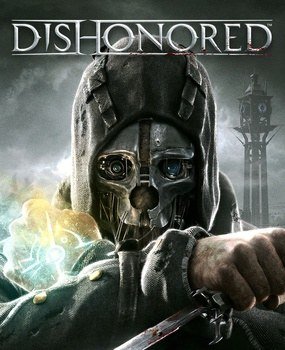
Developed by Arkane Studios and released in 2012, Dishonored places players in Dunwall, a city of plague, aristocratic rot, industrial machinery, watchtowers, masked parties and very bad governance. The player controls Corvo Attano, framed for murder and turned loose into a world where revenge can be surgical, supernatural or messy enough to worry the cleaners.
Its relationship to steampunk is famous but slightly crooked. Dishonored is often called steampunk, though "whalepunk" may be more accurate: its technology runs on processed whale oil, making the city's energy system specific, ugly and morally loaded. That detail matters enormously. The machines are not neutral. They are built on extraction, violence and a sea-deep economy of suffering.
Dunwall is the real protagonist. Like Thief: The Dark Project, the game understands the pleasure of moving through a layered city where wealth, poverty, religion, policing and criminality overlap in alleys and rooftops. The city is not a backdrop. It is a system of patrols, apartments, sewers, offices, estates and secrets. Steampunk thrives when architecture has politics, and Dunwall has politics in every brick.
The plague gives the setting another pressure. Industrial modernity here is not clean progress. It is infestation, quarantine, panic and class cruelty. The poor are processed, policed and abandoned while the powerful stage rituals of control. This makes Dishonored one of the sharper game examples of steampunk-adjacent class decay.
The occult powers complicate the machine world in a productive way. Corvo's abilities come from the Outsider, a supernatural figure whose presence makes Dunwall stranger than a simple industrial dystopia. That blend of technology and occult force connects the game to gaslamp fantasy as much as steampunk. The city's machines hum; the void whispers; neither is especially reassuring.
Its stealth lineage is clear. Dishonored owes much to immersive sims and to Thief, but it builds a more kinetic, magical form of movement around that ancestry. The player reads space, timing and social power, then chooses how loudly history should be corrected. That choice-based design gives the world moral texture rather than simple spectacle.
The game's influence on later industrial fantasy is hard to miss. It helped make grimy city steampunk feel current again: not costume nostalgia, but an ugly modern fable about power, surveillance, extraction and revenge. It is stylish, yes, but the style has teeth.
Its level design also keeps the politics tactile. Estates, prisons, distilleries, flooded districts and streets under watch are not abstract arguments. They are spaces to cross, infiltrate and understand. That is where Dishonored is strongest: making a rotten city legible through the routes a desperate man takes across it.
Is it really steampunk?
Adjacent, but essential. Dishonored is whalepunk, gaslamp stealth and industrial fantasy, with enough machinery, class politics, alternate technology and plague-city atmosphere to belong firmly near the centre.
It suits players who like their rooftops wet, their aristocrats guilty and their technology powered by something they would rather not think about.
Find it
If you would like to track down Dishonored, these search links may help. We have not specified an edition, so you can pick the format that suits you.
Affiliate links: as an Amazon Associate, Stephen Hunt’s SFcrowsnest earns from qualifying purchases. These may earn us a small commission at no extra cost to you.