
Why it matters
It deepens the Dishonored world's steampunk-adjacent identity through Karnaca, clockwork soldiers, whale-oil power, occult forces and a sharper sense of imperial geography.
Dishonored 2 takes the plague-city whalepunk of Dunwall and sends it south to Karnaca, where the sun is brighter and the politics remain impressively rotten.
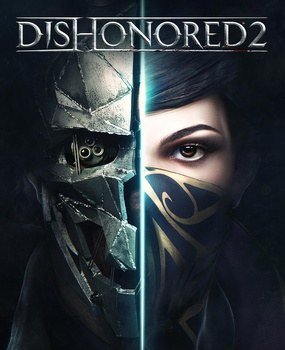
Developed by Arkane Studios and released in 2016, Dishonored 2 follows Emily Kaldwin or Corvo Attano after a coup forces them from Dunwall to Karnaca. The sequel keeps the first game's stealth, supernatural powers and moral pressure, but changes the climate and architecture. Dunwall was wet, dark and plague-heavy. Karnaca is sunlit, colonial, dusty and no less capable of producing nightmares.
The move to Karnaca broadens the setting beyond one grim capital. Steampunk worlds can become trapped in a single city, however good the fog. Dishonored 2 shows the empire's machinery operating elsewhere: mines, mansions, markets, military rule and social exploitation. The technology travels, and so do the abuses that feed it.
Clockwork soldiers are the sequel's great mechanical signature. Designed by Kirin Jindosh, they are elegant, deadly and deeply unpleasant, like drawing-room furniture that has learned murder. They push the setting's technology into a more ornate and intellectual register. Whale-oil devices are still present, but the clockwork soldiers give the game a sharper automaton horror.
The game also has some of the strongest level design in modern immersive sims. The Clockwork Mansion, in particular, is a steampunk-adjacent marvel: a house that rearranges itself through hidden mechanisms, turning architecture into performance, trap and ego. It is not merely a pretty level. It is a thesis on what happens when invention, wealth and vanity are allowed to collaborate unsupervised.
The occult remains essential. Like the first game, Dishonored 2 is not content to be a machinery showcase. The Outsider, bone charms, void powers and strange rituals keep the setting half in gaslamp fantasy and half in industrial nightmare. That mixture matters. Machines explain the empire's public strength; the occult explains the private cracks running beneath it.
Emily's playable role also changes the tone. The first Dishonored was revenge from the shadows. The sequel can become a story about a ruler forced to see the machinery of her own empire from below. That gives the game's class politics a sharper edge, especially when Karnaca's beauty keeps colliding with its misery.
As steampunk-adjacent gaming, Dishonored 2 is one of the most visually and mechanically accomplished examples. It does not use steam as a simple label, but it does everything the best adjacent works do: technology with cost, architecture with politics, occult weirdness, class decay and tools that make the player feel clever and guilty in quick succession.
Is it really steampunk?
Adjacent, but essential. Dishonored 2 is whalepunk and gaslamp stealth rather than boiler-room steampunk, yet its clockwork soldiers, whale-oil machinery, occult technology and imperial city design place it close to the centre.
It suits players who like their stealth with sunlit corruption, moving walls and machines that really ought to have stayed decorative.
Find it
If you would like to track down Dishonored 2, these search links may help. We have not specified an edition, so you can pick the format that suits you.
Affiliate links: as an Amazon Associate, Stephen Hunt’s SFcrowsnest earns from qualifying purchases. These may earn us a small commission at no extra cost to you.