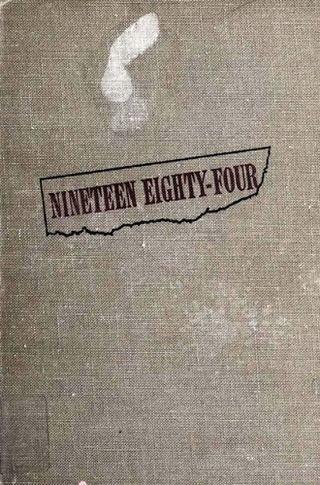
1. Nineteen Eighty-Four
The boot: the most politically consequential novel of the twentieth century, and the vocabulary half the world uses to resist the real ones.

The essential authors of science fiction, fantasy & horror — and where to start reading them.
Recommended Reading List · 8 books
Eight engineered nightmares, each one somebody's utopia.
The dystopia is the genre's sharpest civic instrument: take a tendency, extrapolate honestly, present the bill. The classics on this list divide between control by boot and control by pleasure — and the unsettling discovery of the last few decades is that both camps keep being proved right at once.
The boot: the most politically consequential novel of the twentieth century, and the vocabulary half the world uses to resist the real ones.
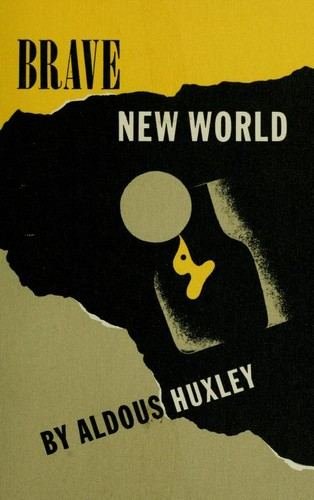
The pleasure: control by conditioning, distraction and soma. As Postman noted, the deeper prophecy may be Huxley's — we'd be ruled by what we love.
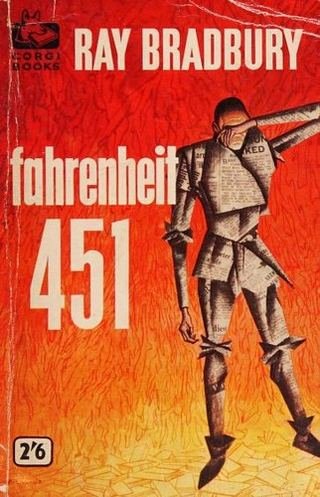
The distraction: Bradbury insisted the villain was never censorship but the wall-sized television. Re-read it and wince accordingly.
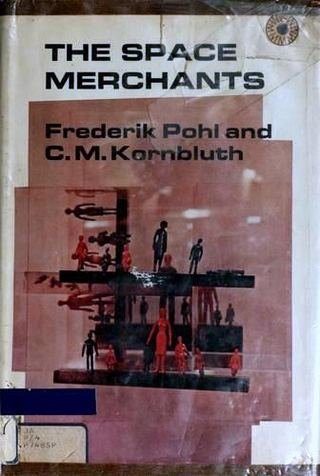
The sales pitch: a future run openly by advertising agencies, written by two ad-men who knew exactly where the bodies were focus-grouped.
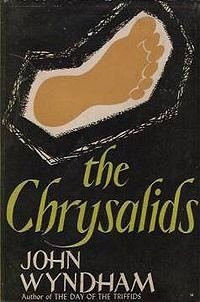
The purity spiral: post-nuclear fundamentalism hunting deviation from the true image. Wyndham's sharpest book, and YA dystopia's secret ancestor.
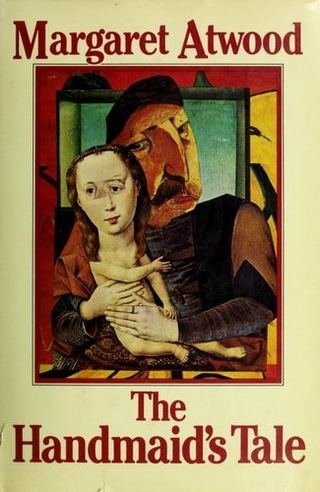
The precedent rule: nothing in Gilead lacks a historical source, which is precisely why the red cloaks keep appearing at real legislative hearings.
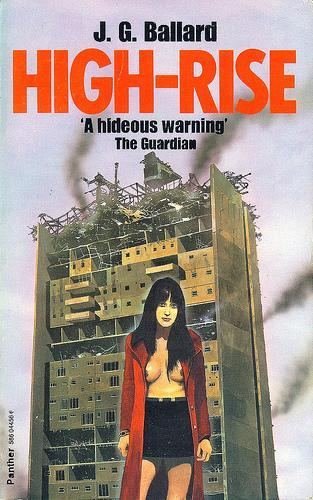
The voluntary collapse: Ballard's luxury tower descends into tribal war because the residents prefer it. The dystopia nobody imposed.
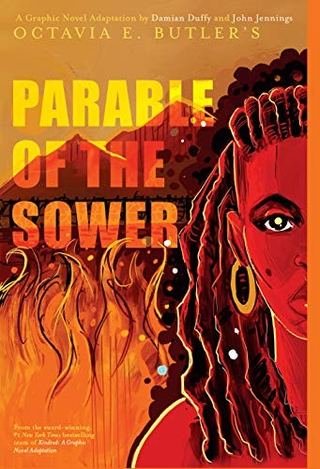
The near future: Butler's 2020s California of water debt and gated burning suburbs reads less like warning than reporting. End here; it's the one with a seed of hope.
Brass, steam and revolution: where to begin among the airships.
From back-garden starships to the heat death of everything: nine ships, one genre.
Nine encounters, from Woking to the Dark Forest — and almost none of them go well.