Author Profile · Science Fiction
Margaret Atwood
b. 1939 · Canadian
Who is Margaret Atwood?
Canada's pre-eminent novelist and the genre's most distinguished reluctant houseguest: for years she insisted she wrote 'speculative fiction, not science fiction — no talking squids in outer space', a distinction the field received with wounded amusement before both sides settled into détente (she has since accepted its embrace, and an Arthur C. Clarke Award). The Handmaid's Tale built Gilead from materials with historical precedent only — her stated rule — and gave the women's-rights debate its permanent iconography; the MaddAddam books did the same for bioengineering hubris with a corporate-apocalypse grin. Booker winner twice over, relentlessly productive into her eighties, and in possession of the field's driest public wit.
Why they matter
The Handmaid's Tale is the most culturally active dystopia of the present era — its red cloaks now appear at actual legislative hearings — and Atwood's prestige carried speculative fiction into rooms that had pretended not to know its name.
Essential books — and where to start
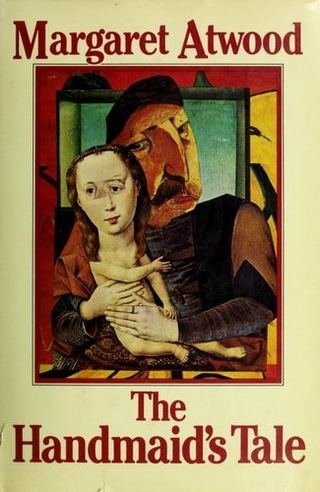
1985 · Science Fiction · Dystopia, Feminist SF
In the Republic of Gilead — formerly the United States, after the coup that followed the fertility collapse — Offred ('of Fred': the name is an ownership tag) serves as a Handmaid, her viable ovaries state property, her monthly Ceremony scripture-sanctioned rape, her memories of a husband, a daughter and a job the contraband she lives on. Atwood wrote it in West Berlin with a rule: nothing without historical precedent, every atrocity already on humanity's record somewhere. The closing 'Historical Notes' — a smug academic conference, centuries on, debating her tape's authenticity — adds the final twist of the knife: even survival gets footnoted by men.
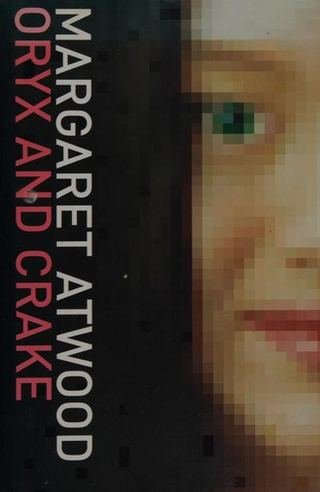
2003 · MaddAddam Trilogy, book 1 · Science Fiction · Post-Apocalyptic, Climate Fiction, Satirical SF
Snowman — formerly Jimmy — may be the last man alive, sunburnt in a tree, custodian of the Crakers: gentle, green-eyed, genetically optimised people who smell of citrus, purr to heal, and were designed by his best friend to replace us. The flashbacks rebuild the world that ended: corporate compounds and pleeblands, ChickieNobs and pigoons, the games (Extinctathon, Blood and Roses) where Crake's worldview assembled itself, and the beautiful, unknowable Oryx whom both men loved. The plague was a product launch; the apocalypse had a marketing plan. Atwood's satire is so close to the biotech news cycle it reads like embargoed copy.
Series
1930–2009 · British
The most important literary stylist British SF has produced, the New Wave's central planet, and a prophet whose obsessions — media spectacle, manufactured desire, communities seceding from reality — simply became the news.
1920–2012 · American
The writer who proved science fiction could be literature without apologising.
1947–2006 · American
The writer who put race, gender and the body at the centre of American SF and made the field reckon with slavery as its own subject matter.
