Author Profile · Science Fiction
Octavia E. Butler
1947–2006 · American
Who was Octavia E. Butler?
Raised in Pasadena by a widowed maid and her own ferocious resolve — she described herself as comfortably asocial, a pessimist if she wasn't careful, a Black, a former Baptist, and an oil-and-water combination of ambition, laziness and drive — Butler rose at two or three each morning to write before work until the writing became the work. Her fiction examines power with unmatched honesty: symbiosis that is also slavery, aliens whose embrace is both rescue and colonisation, communities built by teenage prophets in collapsing America. The first science fiction writer awarded a MacArthur 'genius' grant, she died suddenly at fifty-eight, with her Parable books in mid-prophecy.
Why they matter
The writer who put race, gender and the body at the centre of American SF and made the field reckon with slavery as its own subject matter. Kindred is now standard curriculum; the Parables read more prophetic every year; and an entire generation of writers — Jemisin foremost — names her as the door they walked through.
Essential books — and where to start
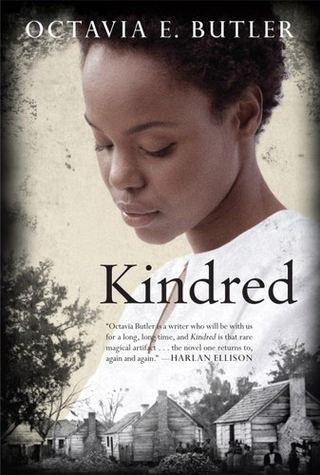
1979 · Science Fiction · Time Travel, Social SF, Literary SF
Dana, a Black writer in 1976 Los Angeles, is wrenched without mechanism or warning to antebellum Maryland whenever Rufus Weylin — white, reckless, and her own ancestor — is about to die. Each rescue strands her longer in slavery; each return home (triggered only by mortal fear) costs more, until the final trip takes her arm at the wall of the present. Butler called it a grim fantasy rather than SF, and used the time-slip to make slavery tactile for readers numbed by history lessons: the education of how survival is negotiated, and what it does to everyone party to it.
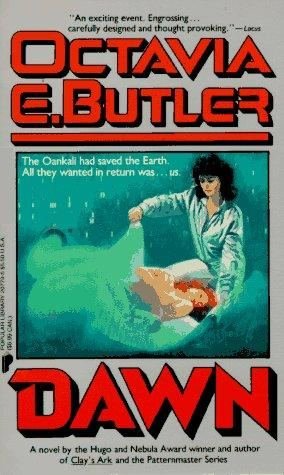
1987 · Lilith's Brood (Xenogenesis), book 1 · Science Fiction · First Contact, Feminist SF, Post-Apocalyptic
Lilith Iyapo wakes, again, in a featureless cell: centuries after nuclear war, aboard a living ship belonging to the Oankali, gene-traders with sensory tentacles where a face should be, who have saved the human remnant and will collect payment in genes. Lilith is chosen to wake and lead the first returnees to a restored Earth, knowing the children of that return will not be entirely human — and that humanity's 'contradiction' (intelligence yoked to hierarchy) is, per their rescuers, a terminal diagnosis. Consent, gratitude and coercion blur in the most unsettling embrace in modern SF.
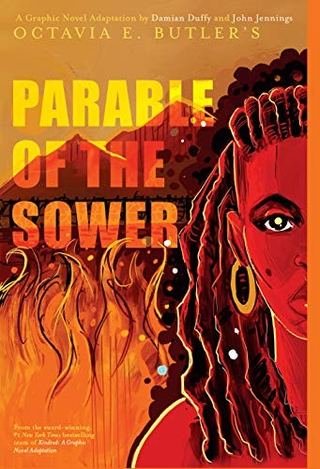
1993 · Earthseed, book 1 · Science Fiction · Dystopia, Post-Apocalyptic, Climate Fiction
California in the 2020s: climate chaos, water dearer than petrol, gated neighbourhoods burning one by one, and a designer drug that makes arson feel like ecstasy. Lauren Olamina, a preacher's teenage daughter cursed with hyperempathy — she feels the pain she sees — watches her community die and walks north with a rucksack, a concealed gun and the seedling verses of Earthseed, the religion she is writing as she goes: God is Change, and the destiny of Earthseed is to take root among the stars. Diary-form, dry-eyed and frighteningly plausible.
Series
b. 1939 · Canadian
The Handmaid's Tale is the most culturally active dystopia of the present era — its red cloaks now appear at actual legislative hearings — and Atwood's prestige carried speculative fiction into rooms that had pretended not to know its name.
b. 1972 · American
The defining SFF writer of the 2010s: the unprecedented Hugo three-peat marked the genre's centre of gravity shifting — formally, demographically and thematically — and the Broken Earth is already canon, taught from secondary schools to doctoral seminars.
1929–2018 · American
The genre's most honoured writer and its moral centre of gravity: the standard demonstration that SF and fantasy can do everything literature does, plus things only they can.
