Author Profile · Science Fiction & Fantasy & Horror
Ray Bradbury
1920–2012 · American
Who was Ray Bradbury?
The boy from Waukegan, Illinois who never learned to drive, wrote his masterpiece on a rented typewriter in a library basement at ten cents per half hour, and carried the carnivals, ravines and October smells of his childhood into everything he wrote. Bradbury was the great poet among the rocket men: his Mars is a mirror for human loneliness, his robots grieve, his firemen burn books with terrible joy. He escaped the pulp ghetto into The New Yorker and the school curriculum without ever renouncing the genre, and his influence on American letters — Stephen King, Neil Gaiman and half of literary fantasy — is incalculable.
Why they matter
The writer who proved science fiction could be literature without apologising. Fahrenheit 451 and The Martian Chronicles are permanent fixtures of the canon, and his lyrical, metaphor-rich mode created an entire alternative tradition to Campbellian engineering.
Essential books — and where to start
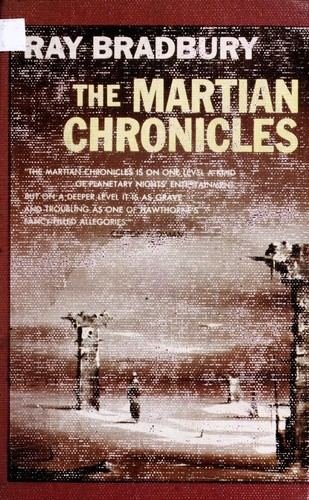
1950 · Science Fiction · Literary SF, Planetary Romance
A story-cycle of humanity's colonisation of Mars: the telepathic Martians repel early expeditions in episodes of dreamlike irony, then are casually annihilated by chickenpox, and the settlers arrive to build hot-dog stands among crystal ruins until nuclear war calls them home. Bradbury's Mars owes nothing to astronomy and everything to small-town Illinois, Poe and elegy; standouts include 'There Will Come Soft Rains', in which an automated house carries on after the bomb, and ' — And the Moon Be Still as Bright'. SF as American myth, gorgeous and accusatory at once.
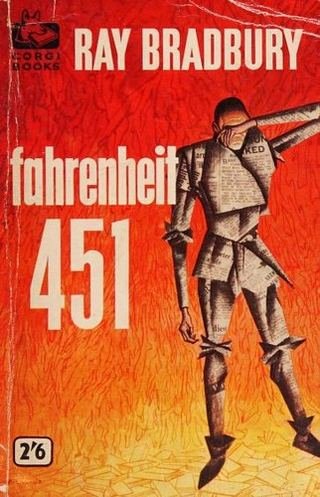
1953 · Science Fiction · Dystopia, Literary SF
Guy Montag is a fireman: he burns books, in a future where they are banned less by tyranny than by a population that voted for wall-sized televisions, sport and serenity over difficulty. A chance meeting with the curious Clarisse cracks his certainty; possession of a stolen Bible breaks it; and Montag ends among the book-people of the railway lines, each one a walking memorised text. Written in a library basement on coin-operated typewriters, it is Bradbury's angriest and most prophetic book — he insisted the real villain was not censorship but distraction.
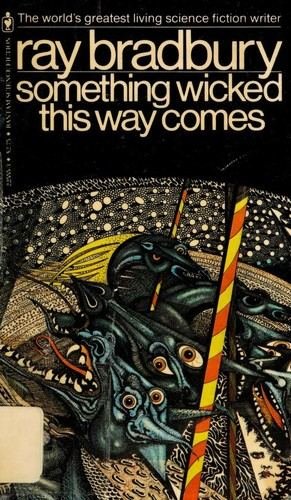
1962 · Horror · Dark Fantasy, Supernatural Horror
A week before Hallowe'en, Cooger & Dark's Pandemonium Shadow Show steams into Green Town, Illinois at three in the morning, bringing a carousel that adds or subtracts a year per revolution and a Mirror Maze that shows you your regrets. Thirteen-year-olds Jim Nightshade and Will Halloway see too much; Will's ageing librarian father, who knows everything about regret, must face the Autumn People armed with nothing but acceptance and laughter. Bradbury's prose runs at full carnival pitch throughout — overripe to some tastes, intoxicating to most.
1931–2019 · American
The genre's most acclaimed pure writer: the standard demonstration that SF can sustain — and reward — the closest reading literature allows.
b. 1939 · Canadian
The Handmaid's Tale is the most culturally active dystopia of the present era — its red cloaks now appear at actual legislative hearings — and Atwood's prestige carried speculative fiction into rooms that had pretended not to know its name.
1930–2009 · British
The most important literary stylist British SF has produced, the New Wave's central planet, and a prophet whose obsessions — media spectacle, manufactured desire, communities seceding from reality — simply became the news.
