'Repent, Harlequin!' Said the Ticktockman
Hugo and Nebula winner, and one of the most reprinted SF stories ever written — the genre's definitive fable of civil disobedience.

The essential authors of science fiction, fantasy & horror — and where to start reading them.
Book Entry · Science Fiction
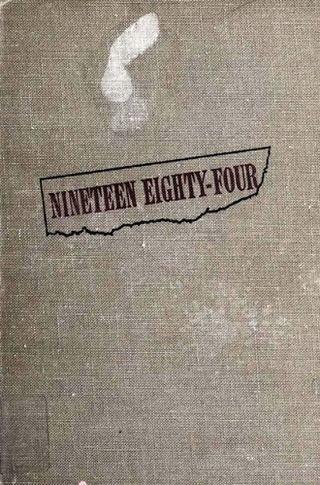
Winston Smith rewrites history at the Ministry of Truth, hides his diary from the telescreen, and commits the irreversible act of falling in love — with Julia, with the past, with the possibility that two plus two makes four. Airstrip One's apparatus closes around him with the patience of something that was never not watching: O'Brien, the Inner Party confessor who wrote the book on the opposition because he is the opposition's author too; Room 101, which contains the worst thing in the world, individually fitted; and Newspeak, the language being pared until dissent has no words left to think in. The ending is the genre's most famous defeat, and the appendix on Newspeak — written in the past tense — its most argued-over crumb of hope.
The most influential dystopia ever written: its vocabulary is the global currency of anti-authoritarianism, its surveillance state the permanent reference point, and its sales still spike with the headlines.
Prefer Amazon? Buying through these links may earn SFcrowsnest a small commission, at no extra cost to you.
Buy on Amazon UK → Buy on Amazon US →As an Amazon Associate, SFcrowsnest earns from qualifying purchases.
Hugo and Nebula winner, and one of the most reprinted SF stories ever written — the genre's definitive fable of civil disobedience.
One of the two definitive dystopias of the century, the necessary complement to Orwell: control by pleasure rather than pain.
A staple of school syllabuses across the Commonwealth and arguably the best thing Wyndham wrote; its influence runs through YA dystopia's entire bloodline.