Author Profile · Science Fiction
George Orwell
1903–1950 · British
Who was George Orwell?
Eric Blair: imperial policeman in Burma, dishwasher in Paris, militiaman shot through the throat in Catalonia, and the plain-style conscience of English letters. Orwell came to the fantastic late and instrumentally — Animal Farm as fable because the truth about Stalin's Russia was unprintable straight, Nineteen Eighty-Four as dystopia because the tendencies he saw in 1948 needed a stage large enough to play out. Dying of tuberculosis on the island of Jura, typing in bed, he built the most complete tyranny in fiction and the vocabulary half the world now uses to resist the real ones: Big Brother, doublethink, thoughtcrime, memory hole, and the boot stamping on a human face, forever — unless.
Why they matter
Nineteen Eighty-Four is the most politically consequential novel of the twentieth century, in or out of genre: the book that armed ordinary language against totalitarianism. SF can fairly claim it; the world has already pocketed it.
Essential books — and where to start
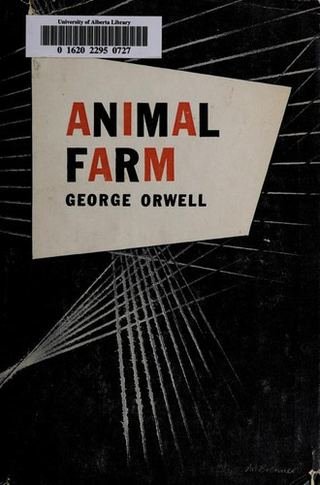
1945 · Fantasy · Satirical SF, Dystopia
The animals of Manor Farm rise, expel the drunken farmer Jones, and establish Animalism under the commandment that all animals are equal. The pigs, being cleverest, administer; the cart-horse Boxer, being strongest, works ('I will work harder'); and the revolution proceeds, amendment by quiet amendment, towards the night the pigs walk on two legs and the commandment acquires its immortal rider: but some animals are more equal than others. Orwell's fable maps the Russian Revolution betrayal for betrayal — rejected by Faber (T. S. Eliot, personally) and others nervous of offending a wartime ally, then published into the opening of the Cold War with impeccable timing.
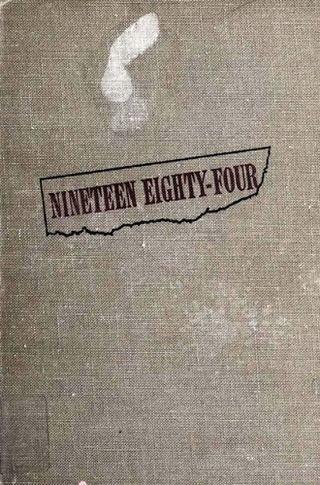
1949 · Science Fiction · Dystopia
Winston Smith rewrites history at the Ministry of Truth, hides his diary from the telescreen, and commits the irreversible act of falling in love — with Julia, with the past, with the possibility that two plus two makes four. Airstrip One's apparatus closes around him with the patience of something that was never not watching: O'Brien, the Inner Party confessor who wrote the book on the opposition because he is the opposition's author too; Room 101, which contains the worst thing in the world, individually fitted; and Newspeak, the language being pared until dissent has no words left to think in. The ending is the genre's most famous defeat, and the appendix on Newspeak — written in the past tense — its most argued-over crumb of hope.
1894–1963 · British
Co-author, with Orwell, of the modern political imagination: every debate about engineered consent, designer babies and medicated happiness reaches for Brave New World.
b. 1939 · Canadian
The Handmaid's Tale is the most culturally active dystopia of the present era — its red cloaks now appear at actual legislative hearings — and Atwood's prestige carried speculative fiction into rooms that had pretended not to know its name.
1930–2009 · British
The most important literary stylist British SF has produced, the New Wave's central planet, and a prophet whose obsessions — media spectacle, manufactured desire, communities seceding from reality — simply became the news.
