
Why it matters
It turns the elemental fantasy of Avatar: The Last Airbender towards modernity, using Republic City, machines, class pressure, airships and mecha to create a borderland of steampunk, dieselpunk and martial fantasy.
The Legend of Korra moves the Avatar world into radios, cars, factories, airships and political unrest, because apparently saving the world once does not prevent it from industrialising.
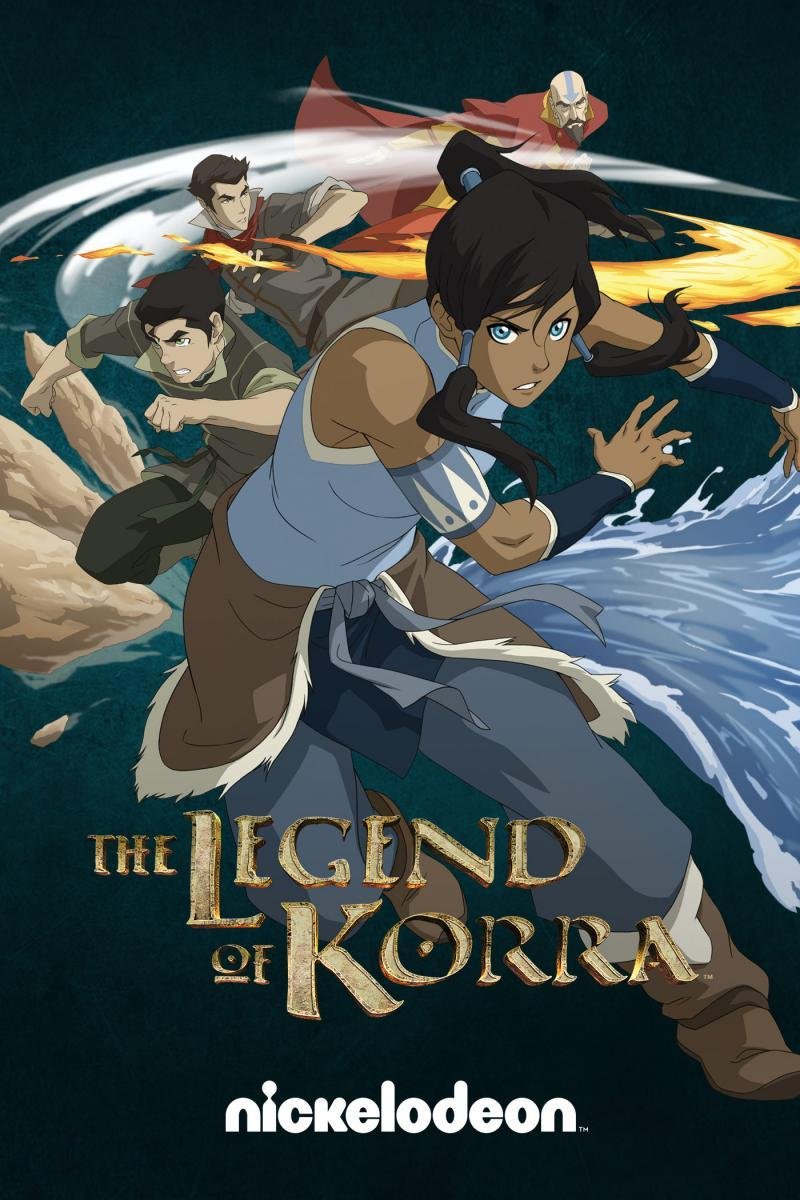
Created by Bryan Konietzko and Michael Dante DiMartino, The Legend of Korra follows the next Avatar after Aang in a world that has changed dramatically. Republic City is dense, modernising and politically volatile, with bending arts sharing space with industry, media, policing, organised crime and technology.
The series is not steampunk in the strict boiler-room sense. Its setting pulls from early twentieth-century urban modernity, dieselpunk, East Asian and American city imagery, and the internal logic of bending. Yet the adjacency is substantial. Airships, mechanised warfare, industrial factories and mecha all push the Avatar universe into machine-age fantasy.
Republic City is the key. Steampunk often becomes interesting when technology changes social life, not merely scenery. Korra's world has sport, transport, radio, manufacturing, power plants and political movements shaped by modern infrastructure. The city is not just a backdrop. It is an argument with traffic.
The Equalist storyline makes that argument sharper. Technology becomes a way for non-benders to challenge inherited magical power. That gives the setting a serious political engine: machines are not merely convenient devices, but tools in a struggle over who gets power and who gets pushed aside. The mecha later in the series make that tension extremely visible, and not in a modest way.
The show also belongs beside Fullmetal Alchemist as popular animated borderland fantasy. Both use non-Western or hybrid settings to think about bodies, power, military systems and modernity. Korra is brighter and more openly urban, but it shares the interest in technology becoming inseparable from politics.
Its audience is wide because the series works as action fantasy, coming-of-age drama, political adventure and world-building expansion. For steampunk readers, the interest lies in watching a magical world encounter industry without losing its own identity. The machines do not replace bending. They complicate it, commercialise it, weaponise it and occasionally drive it through a wall.
The design also gives the show a strong borderland texture. Cars, radios, pro-bending arenas, police aircraft and metalbending infrastructure all make Republic City feel modern, but not contemporary. It is a fantasy metropolis passing through its own early machine age, with all the confidence and bad urban planning that implies.
Later seasons widen the technological argument. Mecha, spirit energy and military innovation show a world where invention keeps changing the scale of conflict. That development keeps Korra close to dieselpunk and steampunk-adjacent discussion, because progress is never merely background. It keeps arriving with consequences and a very poor sense of restraint.
The show's audience also includes viewers who would never go looking for steampunk by name. That matters because borderland works often do the most recruitment. Korra teaches machine-age fantasy through character, action and city life rather than through genre explanation, which is considerably more civilised for everyone involved.
It also leaves room for optimism, which keeps the machinery from becoming only a warning label.
Is it really steampunk?
Adjacent. The Legend of Korra is industrial fantasy with dieselpunk and steampunk overlap. Its relevance comes from Republic City, airships, mecha, factories, technological politics and the collision between inherited power and modern machinery.
It is a popular borderland title, and a useful reminder that machine-age fantasy can grow out of a magical world as naturally as out of Victorian science.
Find it
If you would like to track down The Legend of Korra, these search links may help. We have not specified an edition, so you can pick the format that suits you.
Affiliate links: as an Amazon Associate, Stephen Hunt’s SFcrowsnest earns from qualifying purchases. These may earn us a small commission at no extra cost to you.