Why it matters
It brings machine bodies, militarised science, state power and moral consequence into one of manga's major modern fantasy frameworks.
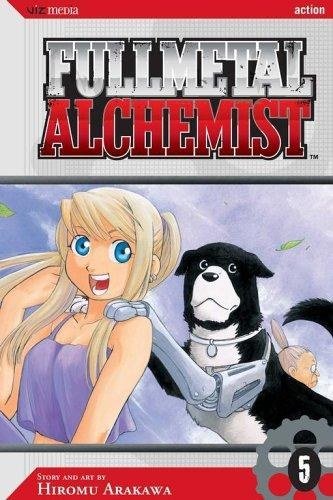
Hiromu Arakawa's Fullmetal Alchemist begins with two brothers making the kind of mistake that gives science a bad name and philosophers something to do for the rest of the century.
Fullmetal Alchemist follows Edward and Alphonse Elric, brothers whose attempt to use alchemy to restore their dead mother goes catastrophically wrong. Edward loses limbs and gains automail prosthetics; Alphonse loses his body and has his soul bound to armour. That is a brisk way for a story to announce that knowledge comes with invoices.
The series is not steampunk in a narrow sense. Its core system is alchemy, not steam technology. Yet its world has strong industrial and early twentieth-century textures: trains, military uniforms, prosthetic engineering, state laboratories, mechanised bureaucracy and a government that has turned science into an instrument of war.
Automail is the clearest steampunk-adjacent motif. Edward's mechanical limbs are not decorative gadgets. They are body, tool, vulnerability and identity. Steampunk often loves prosthetics and artificial bodies, but Arakawa gives the machinery emotional weight. The metal does not make Edward less human. It makes visible what the story already knows: bodies and choices carry consequences.
The militarised science element gives the manga its harder edge. State alchemists are not harmless eccentrics with chalk circles. They are licensed power, folded into national violence. That places the series near dieselpunk and military fantasy as much as steampunk. It has the machine-age anxiety of clever people becoming useful to terrible institutions.
The moral framework is what keeps the story from becoming gadget fantasy. Equivalent exchange may begin as an alchemical rule, but it becomes a wider argument about grief, ambition, war, bodies and responsibility. The machinery supports that argument without replacing it.
The brothers' quest gives the story emotional traction. Edward's automail is visually striking, but it matters because it is tied to guilt, pain and stubborn survival. Alphonse's armour body is even sharper: a powerful image of protection, imprisonment and loss moving through a world that keeps asking what a person is worth.
The setting's European and early industrial textures make the adjacency easier to understand. Trains, workshops, military bureaucracy and prosthetic engineering create a world that brushes against dieselpunk and steampunk without settling into either. It is a hybrid, and the hybrid status is part of the appeal.
The series also belongs in any conversation about anime and manga bringing machine-age anxieties to mass audiences. Plenty of readers met automail, military science and the guilty inventor through Fullmetal Alchemist before they ever touched the older steampunk canon. That gateway role is real.
It is also worth noting how carefully Arakawa balances adventure with consequence. The story has fights, jokes and memorable villains, but it keeps returning to cost. Lost bodies, exploited soldiers, damaged civilians and state secrets all prevent the alchemy from becoming a toy.
That balance gives the work a broad audience. Readers can come for the brothers' quest and stay for the moral architecture. The series is accessible without being soft, which is one reason it remains so useful for explaining adjacent machine-age fantasy to newcomers.
Is it really steampunk?
Not strictly. Fullmetal Alchemist is alchemical fantasy with diesel-steam adjacency, automail, industrial imagery and militarised science. It belongs near steampunk because of its machine bodies, state technology, trains and retro-military setting, but its engine is alchemy.
Readers of steampunk should still know it. It is one of the strongest manga examples of the made body, the guilty scientist and the state weaponising wonder. The brass may be mixed with blood, chalk and military paperwork, but the family resemblance is hard to miss.
Find it
If you would like to track down Fullmetal Alchemist, these search links may help. We have not specified an edition, so you can pick the format that suits you.
Affiliate links: as an Amazon Associate, Stephen Hunt’s SFcrowsnest earns from qualifying purchases. These may earn us a small commission at no extra cost to you.