
Why it matters
It established one of Japanese steampunk's signature multimedia worlds, blending Taisho-period modernity, theatre, romance adventure and steam-powered combat machines.
The 1996 Sakura Wars game begins with theatre, romance and steam-powered mecha, as if someone decided the stage manager's clipboard needed artillery support.
Released by Sega in 1996, with development and concept work associated with Red Company, Sakura Wars launched a franchise that would spread across games, anime, manga and stage performance. The original game is already a confident hybrid: part tactical combat, part adventure, part romance and part backstage melodrama. It is a game about defending Tokyo from demons while also managing interpersonal feelings, which must have made the rehearsal schedule lively.
The setting is the key. Rather than using British Victoriana, Sakura Wars imagines a romanticised Taisho-era Tokyo powered by steam technology and defended by the Imperial Combat Revue. That cultural frame gives it a distinct identity. It is modernising Japan as fantasy theatre, full of uniforms, performance, spiritual threat and mechanical armour.
The steam mecha are central to its steampunk claim. They are not background gadgets. They are the combat expression of the setting, turning machinery into heroism and military spectacle. The game's machines connect early twentieth-century modernity to fantasy defence, giving players a version of steampunk where boilers, armour and stage lights all belong to the same production.
The theatre troupe structure is just as important. The heroines perform publicly while secretly fighting supernatural threats. That double life gives the game a strong sense of costume, identity and public role. Steampunk often loves uniforms and performance, but Sakura Wars makes performance literal. The stage is cover, community and emotional engine.
Its romance and relationship systems also helped distinguish it from more purely mechanical steampunk works. The machines matter, but so do moods, loyalties and conversations. This is not only a game about beating demons with steam technology. It is about a troupe becoming a team, which is a pleasingly theatrical way of saying that even giant machines require emotional maintenance.
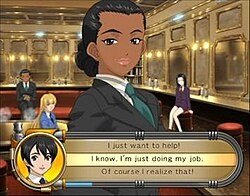
The format matters too. By mixing adventure conversations with tactical battles, Sakura Wars lets the social and mechanical halves feed each other. The player is not simply piloting a steam machine between cut scenes. The bonds formed backstage help shape the war outside, which gives the whole enterprise a slightly mad but persuasive stage-musical logic.
Placed beside the broader Sakura Wars franchise entry, the original game matters as the ignition point. Later adaptations helped carry its imagery to viewers outside Japan, but the game established the mixture: Taisho period, revue culture, steam mecha, demons and romantic adventure. It is one of the clearest examples of steampunk becoming localised through a Japanese historical imagination rather than imported as British costume.
It also belongs beside Steam Detectives and Castle in the Sky as part of a wider Japanese appetite for retro-mechanical worlds with heart. The tone is more melodramatic and social than either, but the fascination with old futures, machines and spectacle is shared.
Is it really steampunk?
Yes. Sakura Wars is core Japanese steampunk: alternate Taisho modernity, steam-powered mecha, theatre, demons, romance systems and tactical combat all pulling together.
It suits players who like their steam technology with music, melodrama and the strong possibility that feelings will affect the battle plan.
Find it
If you would like to track down Sakura Wars, these search links may help. We have not specified an edition, so you can pick the format that suits you.
Affiliate links: as an Amazon Associate, Stephen Hunt’s SFcrowsnest earns from qualifying purchases. These may earn us a small commission at no extra cost to you.