
Why it matters
It shows the anime and manga border where sky adventure, ornate machines and weaponised companions brush against steampunk without becoming pure boiler fiction.
Elemental Gelade opens with air pirates, living weapons and the sort of sky-adventure premise that suggests gravity has once again failed to discourage anyone sensible.
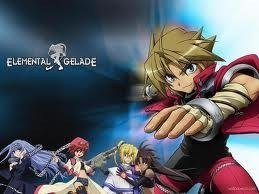
Mayumi Azuma's Elemental Gelade is a fantasy adventure manga built around Cou, a young air pirate, and Ren, an Edel Raid who can bond with a human and become a living weapon. The premise belongs first to fantasy, but its airship and sky-adventure flavour place it near the steampunk border.
Air pirates are the obvious link. Steampunk loves the sky because it offers freedom, danger and a convenient excuse for everyone to wear belts. Elemental Gelade uses that aerial romance in a manga adventure mode: crews, pursuit, strange powers, floating travel and youthful momentum.
The living-weapon idea gives the series its more distinctive element. Rather than focusing on mechanical automata or steam engines, it turns companionship into power. That makes the work less industrial than steampunk proper, but it still shares the field's concern with bodies being made useful, dangerous or owned by systems larger than themselves.
The visual world also borrows some retro-mechanical pleasures. Ornate craft, aerial travel and fantasy machinery create a setting that can sit beside Castle in the Sky and other anime-influenced sky adventures. The tone is lighter and more romantic than grim industrial steampunk, but the adjacency is real.
Purists will object, with some justice, that Elemental Gelade is not driven by steam-age history, class machinery or technological divergence. That is why the label needs care. It is fantasy with steampunk-adjacent skyfaring and machine ornament, not a core title like Steam Detectives.
The Edel Raid idea also gives the story a useful ethical wrinkle. A living weapon is never only a cool power-up unless the story forgets to think. The bond between person and weapon raises questions about agency, trust and use, even when the tone stays adventurous rather than grim.
The air-pirate material links it to a broad anime tradition of sky romance. From Miyazaki onward, Japanese fantasy has repeatedly treated the sky as a space of freedom, danger and moral testing. Elemental Gelade belongs to that looser family. It may not have the weight of Nausicaa or Castle in the Sky, but it shares the appeal of flight as escape and trouble.
For readers building a map of steampunk-adjacent manga, this is exactly the sort of title that needs an honest edge label. It is not central, but it explains how the visual vocabulary spreads into fantasy adventure.
Its lighter tone also has a place. Not every borderland work needs to carry the weight of empire, industry or apocalypse. Sometimes the shared material is adventure structure: sky travel, pursued companions, specialised powers and a world whose machinery is ornate enough to make the journey feel retrofuturist.
That makes it a useful recommendation for readers moving from anime fantasy toward steampunk proper. It is a bridge, not a destination. Bridges still matter, especially when they have air pirates on them.
Is it really steampunk?
No, not strictly. Elemental Gelade is fantasy adventure with air pirates, living weapons and ornate machinery. Its steampunk connection is visual and atmospheric rather than structural.
Readers interested in anime and manga borderlands should still include it on the map. It shows how steampunk motifs can drift into fantasy adventure, especially whenever airships, sky crews and complicated bonds between people and power get involved.
Find it
If you would like to track down Elemental Gelade, these search links may help. We have not specified an edition, so you can pick the format that suits you.
Affiliate links: as an Amazon Associate, Stephen Hunt’s SFcrowsnest earns from qualifying purchases. These may earn us a small commission at no extra cost to you.