Why it matters
It blends western shooter action, supernatural horror, secret-order mythology and steam-gothic weaponry into a stylish borderland of steampunk and monster pulp.
Darkwatch is the Weird West shooter that takes a train robbery, adds vampires, then makes the very reasonable argument that the frontier needed better monster policy.
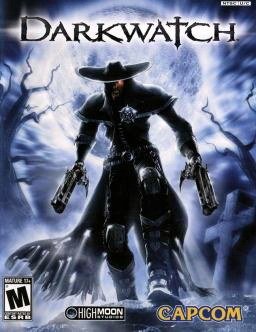
Developed by High Moon Studios and released in 2005, Darkwatch follows Jericho Cross, an outlaw who becomes entangled with a secret organisation fighting supernatural evil. The premise is gloriously pulpy: a gunslinger, a vampire curse, frontier landscapes, monstrous enemies and weapons that look as if a gunsmith had been reading gothic fiction by lantern light.
Its steampunk connection comes through the Weird West rather than industrial world-building. This is not a factory novel or a clockwork adventure. It is frontier horror with retro-tech flavour, secret orders and weapons that push beyond ordinary western realism. That places it near Deadlands, though Darkwatch is a first-person shooter rather than a tabletop world of ghost rock and alternate history.
The vampire gunslinger is the central hook. Steampunk and Weird West fiction both enjoy hybrids: gentleman thieves, occult engineers, mad scientists, undead lawmen, airship pirates. Jericho Cross belongs to that family. He is a western archetype infected by gothic horror, which gives the game its strongest identity. The gunfight becomes a monster story. The outlaw becomes the thing he ought to be hunting.
The weapon design helps keep the game in the steampunk-adjacent zone. Firearms, crossbows and supernatural devices are exaggerated into gothic hardware. They feel less like historical equipment and more like props from a frontier nightmare with a machine shop. That visual language matters because games often establish genre through what the player holds in their hands.
The secret-organisation setup adds another useful layer. Steampunk and gaslamp stories often rely on hidden institutions that claim to protect civilisation while operating well outside public view. Darkwatch uses that pattern for pulp momentum. The frontier may look open and lawless, but the real machinery of the setting is concealed in orders, weapons and midnight recruitment policies.
Its relationship to Wild Guns is one of contrast. Both use western imagery and unnatural technology, but Wild Guns is bright, arcade-like and robot-heavy. Darkwatch is nocturnal, bloody and monster-haunted. One brings machines to the frontier; the other brings the graveyard, then arms it.
The game also shows how the mid-2000s used steampunk-adjacent imagery as flavour within action genres. Rather than building a large alternate society, it creates a mood: leather, iron, dust, secret orders, undead enemies and guns with attitude. That approach can be thin when handled lazily, but Darkwatch has enough style to make the borderland memorable.
It earns its place as a horror-western cousin. Steampunk is not always about invention changing civilisation. Sometimes it is about old genres colliding until sparks fly, and in Darkwatch those sparks are probably coming from a cursed firearm.
Is it really steampunk?
Adjacent. Darkwatch is Weird West horror first, but its steam-gothic weapons, secret-order technology, frontier setting and pulp machinery put it close to the steampunk frontier.
It suits players who want a western that starts in the saloon and ends somewhere with fangs.
Find it
If you would like to track down Darkwatch, these search links may help. We have not specified an edition, so you can pick the format that suits you.
Affiliate links: as an Amazon Associate, Stephen Hunt’s SFcrowsnest earns from qualifying purchases. These may earn us a small commission at no extra cost to you.