
Why it matters
It turns steampunk into comic-book tactics, mixing steam weapons, nineteenth-century literary figures, American alternate history and alien invasion.
Code Name: S.T.E.A.M. is the tactics game where Abraham Lincoln recruits literary heroes to fight aliens with steam weapons, a sentence that does not believe in half measures.
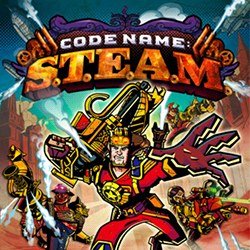
Developed by Intelligent Systems and published by Nintendo in 2015, Code Name: S.T.E.A.M. is a turn-based tactics game with a gleefully pulpy premise. Abraham Lincoln leads a secret team armed with steam technology, drawing members from literature and folklore to fight alien invaders. It is not subtle, but subtlety would only slow down the boiler.
The title's acronym announces the genre with a brass trumpet. S.T.E.A.M. stands for Strike Team Eliminating the Alien Menace, which is exactly the kind of backronym one expects from a world where Lincoln appears to have founded a comic-book defence agency. The game knows its tone: bold, colourful, absurd and sincere enough to make the absurdity work.
Its literary mash-up connects it to The League of Extraordinary Gentlemen and The Amazing Screw-On Head. All three enjoy treating nineteenth-century culture as a toybox of characters, inventions and secret histories. Code Name: S.T.E.A.M. is more family-friendly and tactical, but the pleasure is similar: familiar figures repurposed for a world of hidden conflict and unlikely machinery.
The steam weapons are central to play. Each character uses steam as an action resource, so the genre is not only visual. Movement, attacks and tactical decisions all depend on steam management. That is a clever design choice. It makes the title's machinery part of the rule system rather than a decorative flourish on the box.
The comic-book style also matters. Steampunk sometimes dresses itself in sepia and solemnity, but Code Name: S.T.E.A.M. embraces bright panels, bold silhouettes and exaggerated heroes. That makes it closer to superhero pulp than to Victorian naturalism. The result is a reminder that steampunk can be playful, strange and aimed at tactics players who enjoy nonsense with rules.
Its American alternate-history flavour gives it a different centre of gravity from British gaslamp works. Lincoln, the Civil War era, American folklore and literary borrowings all shape the atmosphere. The game is not trying to recreate a plausible nineteenth century. It is building an impossible one, then handing the player a squad roster.
As a tactics game, it also gives steampunk another mechanical form. Airship games, shooters and RPGs each interpret the genre differently. Code Name: S.T.E.A.M. turns it into cover, positioning, resource use and line-of-sight problems. Even the daftest premise becomes serious once the alien is around the corner and the steam gauge is low.
The roster is part of the fun. The game treats literary and legendary figures less as sacred texts than as action figures with special abilities. That may horrify a purist, but it fits steampunk's long habit of remixing the nineteenth century into new engines. Here the remix comes with grid movement and a surprising amount of steam pressure.
Is it really steampunk?
Yes. Code Name: S.T.E.A.M. is core tactics steampunk: steam-powered weapons, alternate nineteenth-century heroes, literary mash-up, secret history and alien invasion.
It suits players who want strategy, comic-book energy and Abraham Lincoln behaving as if he had read too much pulp and taken notes.
Find it
If you would like to track down Code Name: S.T.E.A.M., these search links may help. We have not specified an edition, so you can pick the format that suits you.
Affiliate links: as an Amazon Associate, Stephen Hunt’s SFcrowsnest earns from qualifying purchases. These may earn us a small commission at no extra cost to you.