
Why it matters
It made steampunk airship combat a multiplayer teamwork problem, turning crew roles, repairs, guns and post-apocalyptic skies into the heart of play.
Guns of Icarus is a steampunk airship combat game that understands the noblest role aboard any vessel: panicking near the engine while someone shouts about repairs.
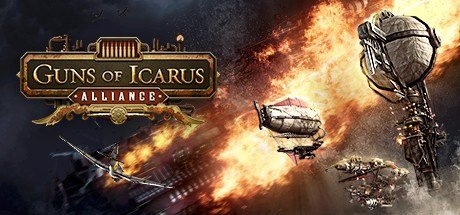
Developed by Muse Games, Guns of Icarus began as a steampunk airship combat game before the later and better-known Guns of Icarus Online expanded the idea. Its central appeal is wonderfully direct: players operate airships, man guns, repair systems and try to keep a flying machine alive while other people express disagreement through cannon fire.
The airship is not only a vehicle here. It is the whole workplace. Steampunk airships often represent romance, exploration and elegant silhouettes against clouds. Guns of Icarus asks what happens once that romantic object starts taking damage and someone has to fix the balloon before everyone becomes part of the scenery.
Crew roles make the game especially important. Many steampunk works admire machinery from the outside. This one puts players inside the labour of keeping it functioning. Pilots, gunners and engineers all matter. A ship survives because people coordinate, communicate and do unglamorous work quickly. That is a useful corrective to airship fantasy that forgets maintenance.
The post-apocalyptic sky setting also gives the game a tougher edge. This is not genteel sightseeing. The world has gone wrong, and airships become tools of survival, trade, combat and identity. The sky is freedom, but it is also danger, weather and line of fire. That places the game near Last Exile and Skies of Arcadia, though its mood is more workmanlike and competitive.
The crew dynamic gives the fantasy a welcome lack of glamour. Someone may be steering heroically, but someone else is hammering at a failing system and hoping the hull holds. That division of labour is one of the game's best steampunk instincts. Machines become communities under stress, not just icons on a poster.
As multiplayer steampunk, it captures a piece of the 2000s scene particularly well. By this point, steampunk was not only a literary label. It was a look, a subculture, a game aesthetic and a set of roles people could inhabit. Guns of Icarus turns that into cooperative action. Dressing as an airship crew is one thing; actually keeping the ship running under attack is another, and a stern test of friendships.
The game's machinery is also gratifyingly tangible. Engines fail, hulls need repair, weapons need attention. The player feels the craft as a set of systems rather than a static icon. That gives the steampunk fantasy a practical rhythm. The ship is beautiful, perhaps, but it is also needy, noisy and inclined to make its problems everyone else's.
Its canon role is clear: it represents airship steampunk as shared, mechanical labour. Where Skies of Arcadia gives sky adventure heroic sweep and Progear makes aerial conflict arcade-dense, Guns of Icarus makes the vessel itself the social arena. The machine becomes team sport.
Is it really steampunk?
Yes. Guns of Icarus is core multiplayer steampunk: airships, post-apocalyptic skies, crew roles, cannons, repair work and combat around fragile flying machines.
It suits players who want the romance of the airship with all the shouting, patching and smoke included.
Find it
If you would like to track down Guns of Icarus, these search links may help. We have not specified an edition, so you can pick the format that suits you.
Affiliate links: as an Amazon Associate, Stephen Hunt’s SFcrowsnest earns from qualifying purchases. These may earn us a small commission at no extra cost to you.