Why it matters
It is one of the key proto-steampunk screen works, bringing gadgetry, espionage and speculative villainy into a Western setting years before the label existed.
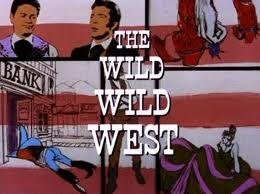
The Wild Wild West is the television series that decided the American frontier needed secret agents, gadgets and villains with a healthy disrespect for ordinary engineering.
Created by Michael Garrison, the series follows Secret Service agents James West and Artemus Gordon as they confront plots, disguises, inventions and larger-than-life threats across the post-Civil-War American West. It is often described as "James Bond on horseback", which is not a bad shorthand if one remembers the horse did not ask for this.
The proto-steampunk fit is strong. The show predates the word steampunk, but it uses many of the ingredients later Weird West works would embrace: frontier settings, secret technology, theatrical villains, gadgets, espionage, hidden lairs and science-fictional intrusions into Western myth.
Artemus Gordon's disguises and devices give the series much of its charm. This is not a realistic frontier drama. It is a playground for invention and performance, where a mission might require a concealed mechanism, a fake identity or a villain whose laboratory has taken a wrong turn into opera.
The American setting matters. Steampunk is often associated with Britain, but The Wild Wild West shows an early screen route through the United States: railways, federal agents, post-war politics, travelling technology and the vast symbolic theatre of the frontier.
Its influence runs through Deadlands, Wild Wild West the 1999 film, Iron West and many later Weird West stories. The film adaptation may have given popular culture the giant spider, but the series laid much of the track for gadget-driven frontier adventure.
The episodic format also helped. Each week could introduce a new villain, device, disguise or impossible plot, making the West feel like a travelling exhibition of bad ideas. That rhythm is very friendly to proto-steampunk, because the genre often thrives on the invention-of-the-week turning into a moral and mechanical problem.
The series is also a reminder that steampunk's ancestry includes television adventure, not only novels and cinema. Budget, repetition and serial storytelling all shaped how gadget fantasy reached audiences. A clever device on a weekly show can lodge in memory as firmly as a grand machine in a feature film.
It also helped detach speculative gadgetry from the laboratory and move it onto the frontier. That shift is central to Weird West steampunk. Inventions are no longer contained by cities, universities or imperial workshops. They turn up in deserts, railcars, forts and villainous hideouts, which gives the machinery a more itinerant, unruly flavour.
Purists can call it proto-steampunk rather than steampunk proper, and that is accurate. The show did not belong to a genre that had not yet named itself. But ancestry counts. This is one of the works later steampunk recognised as having been there early, hat on, gadget loaded.
Its age also explains some of its limitations. The series carries the assumptions and habits of 1960s television, and its treatment of the West is more adventure template than historical reckoning. Even so, the gadget-and-frontier formula proved durable. Later Weird West works could add more politics, horror or world-building, but the basic engine was already running.
Is it really steampunk?
It is proto-Weird-West steampunk. The historical setting, gadgets, secret agents, frontier science and theatrical inventions make it a strong ancestor to later American steampunk.
It is essential context for the Weird West branch. The series may be episodic, old-fashioned and cheerfully improbable, but the machinery is already rattling in the right direction.
Find it
If you would like to track down The Wild Wild West, these search links may help. We have not specified an edition, so you can pick the format that suits you.
Affiliate links: as an Amazon Associate, Stephen Hunt’s SFcrowsnest earns from qualifying purchases. These may earn us a small commission at no extra cost to you.