Who was James Herbert?
An East End market trader's son who rose to art director of a major London ad agency, then wrote The Rats in his spare time and sold out its first printing in three weeks: working-class British horror's arrival announcement, written with a designer's instinct for the unforgettable image and a complete disinterest in literary table manners. Herbert's horrors are democratic — his victims have jobs, his chapters have body counts, his rats have sequels — but the craft sharpened relentlessly: The Fog's set-pieces remain legendary exercises in escalation, and later novels like The Magic Cottage and Others showed the gentler, stranger writer the early gore had subsidised. Britain's bestselling horror novelist for decades, OBE in 2010, and the field's great unpretentious professional.
Why they matter
The man who built the British mass market for horror: Herbert's paperbacks made the genre a working-class national pastime in the 1970s, and the visceral, urban, set-piece-driven school he founded runs through British horror to this day.
Essential books — and where to start
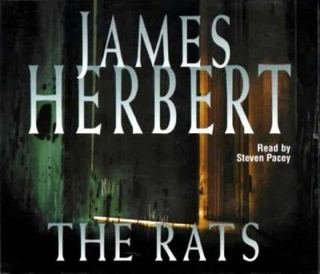
1974 · The Rats, book 1 · Horror · Body Horror & Splatterpunk, Supernatural Horror
In a derelict London of bombsites and condemned terraces — Herbert's own East End, rendered with documentary anger — something has been breeding: black rats the size of dogs, intelligent, coordinated and no longer afraid. Art teacher Harris becomes the reluctant point man as the attacks escalate from derelicts and infants (Herbert kills victims the genre had always spared, and gives each a biography first) to a rush-hour Underground train, while the ministries dither and the cover-ups begin. The class politics are not subtext: the rats eat the people the state had already abandoned. Written in ten months by an ad-man who had never tried a novel; the first printing sold out in weeks.
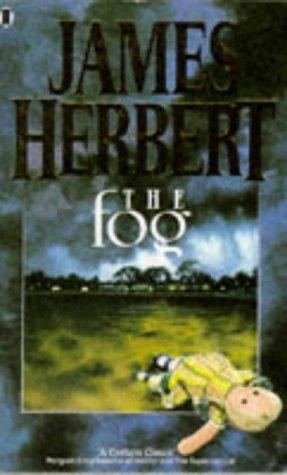
1975 · Horror · Body Horror & Splatterpunk, Post-Apocalyptic, Supernatural Horror
An earthquake splits a Wiltshire village street and releases a yellowish fog — a weaponised organism from a buried military programme — that unmakes the sanity of everyone it touches. Herbert structures the novel as a relay of set-pieces that became legend in British playgrounds: the gym teacher, the pigeons, the coach-load at Bournemouth walking into the sea by the hundred. Ministry of Defence man John Holman, immune by first exposure, crosses a disintegrating southern England toward the source while the authorities reach, as ever in Herbert, for the cover story first. No relation to Carpenter's film; considerably less merciful.
Series
b. 1947 · American
Simply the most important horror writer who has ever lived, by reach: King made the genre a mass medium, trained generations of readers and writers, and his best books — The Shining, The Stand, It — are American literature wearing horror's jacket.
1926–2013 · American
The great normaliser of horror: by relocating the uncanny to postwar ordinary life, Matheson built the road King drove down, and I Am Legend's last-man-amid-infection template underwrites half of modern apocalyptic fiction and film.
b. 1952 · British
The most original British horror voice of his generation: Barker rewired the genre's relationship with the body and desire, founded the dark-fantasy register a generation now writes in, and gave horror cinema one of its enduring mythologies.
