Hell House
The dark twin of Hill House and the template for the 'team investigates bad place' structure that powers half of modern horror cinema; filmed in 1973 as The Legend of Hell House from Matheson's own script.

The essential authors of science fiction, fantasy & horror — and where to start reading them.
Book Entry · Horror
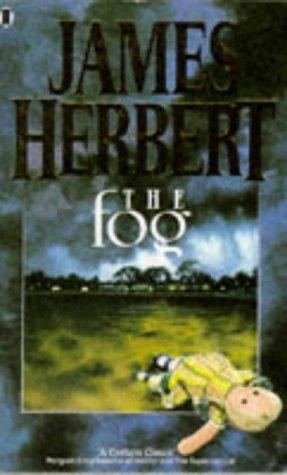
An earthquake splits a Wiltshire village street and releases a yellowish fog — a weaponised organism from a buried military programme — that unmakes the sanity of everyone it touches. Herbert structures the novel as a relay of set-pieces that became legend in British playgrounds: the gym teacher, the pigeons, the coach-load at Bournemouth walking into the sea by the hundred. Ministry of Defence man John Holman, immune by first exposure, crosses a disintegrating southern England toward the source while the authorities reach, as ever in Herbert, for the cover story first. No relation to Carpenter's film; considerably less merciful.
The book that confirmed The Rats was no fluke and fixed Herbert's signature — civic catastrophe as a sequence of unforgettable atrocities — influencing the entire British disaster-horror line through to Garth Marenghi's affectionate parodies.
Prefer Amazon? Buying through these links may earn SFcrowsnest a small commission, at no extra cost to you.
Buy on Amazon UK → Buy on Amazon US →As an Amazon Associate, SFcrowsnest earns from qualifying purchases.
The dark twin of Hill House and the template for the 'team investigates bad place' structure that powers half of modern horror cinema; filmed in 1973 as The Legend of Hell House from Matheson's own script.
Source of Hellraiser (1987), directed by Barker himself, and of Pinhead's permanent place in horror iconography; the most influential treatment of the 'be careful what you summon by wanting' theme in modern horror.
World and British Fantasy Award-winning collections that announced horror's most original new voice since King — who said so, in the most famous blurb the genre owns — and founded modern body horror's literary wing.