Author Profile · Horror & Science Fiction
Richard Matheson
1926–2013 · American
Who was Richard Matheson?
A New Jersey journalism graduate who moved horror out of the crypt and into the tract home: his monsters use the freeway, his hauntings have scientific consultants, and his apocalypse has exactly one survivor, who keeps house. I Am Legend rationalised the vampire with bacteriology and accidentally invented the modern zombie apocalypse; The Shrinking Man turned a radioactive cloud into existential philosophy with a spider in it. He wrote fourteen Twilight Zone episodes ('Nightmare at 20,000 Feet' among them), Spielberg's Duel, and the Star Trek episode that split Kirk in two. Stephen King has said flatly that Matheson was the author who influenced him most — the genre's bridge from Poe's castles to the suburbs.
Why they matter
The great normaliser of horror: by relocating the uncanny to postwar ordinary life, Matheson built the road King drove down, and I Am Legend's last-man-amid-infection template underwrites half of modern apocalyptic fiction and film.
Essential books — and where to start
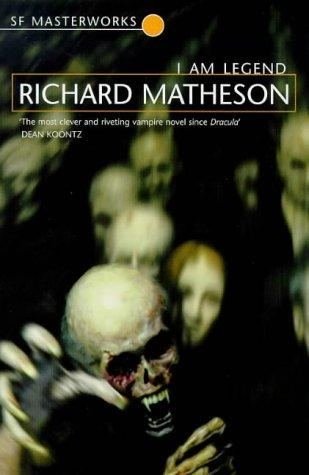
1954 · Horror · Vampire Fiction, Post-Apocalyptic, Psychological Horror
Robert Neville, the last uninfected man, lives barricaded in his Los Angeles bungalow: garlic restocked, stakes lathed, generator serviced, whisky depleting. By day he kills the sleeping infected; by night they besiege the house, his former neighbour calling his name. Matheson runs the vampire through epidemiology — the bacillus, the allergic responses, the explicable folklore — while Neville's routine curdles from survival into something the book's flawless final pages force him, and the reader, to rename: to the new society rising among the infected, he is the monster who comes in daylight. The title is the verdict.
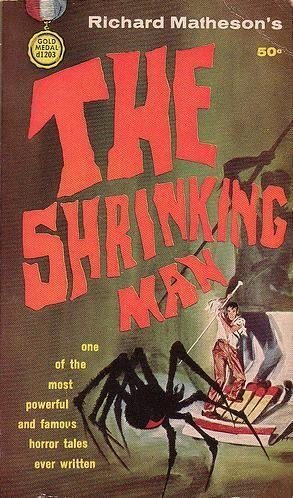
1956 · Science Fiction · Psychological Horror, Literary SF
A drift of radioactive spray, an insecticide chaser, and Scott Carey begins losing a seventh of an inch a day — through trouser sizes, through his marriage's mechanics, through employability, fame and a doll's house, toward the cellar where the book's celebrated second front opens: the duel with the black widow spider, fought with pins and dread across a landscape of paint cans. Matheson interleaves the cellar present with the shrinking past, making the SF premise a study of masculinity stripped of every prop. The ending — Scott passing below zero and discovering that to nature there is no zero — is the era's great transcendent last page.
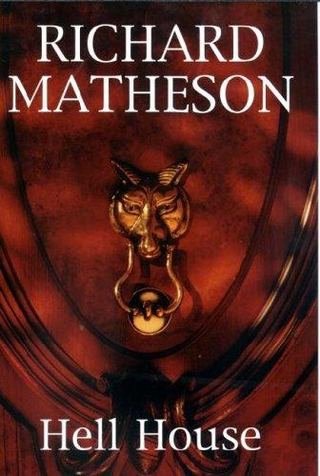
1971 · Horror · Ghost Story, Supernatural Horror, Body Horror & Splatterpunk
A dying millionaire pays a physicist and two mediums to settle the question of survival after death by spending a week in the Belasco House in Maine — 'the Mount Everest of haunted houses', sealed since the 1940 expedition that left its investigators dead, mad or paralysed. Dr Barrett brings a machine to drain the house; the spiritualist Florence brings an open soul the house unlocks like a door; and Ben Fischer, sole survivor of 1940, brings the only working strategy: total shutdown. Matheson plays Hill House's ambiguity in reverse — everything is real, escalating and physical — and the solution, when Fischer finds it, is a profane joke worthy of Belasco himself.
b. 1947 · American
Simply the most important horror writer who has ever lived, by reach: King made the genre a mass medium, trained generations of readers and writers, and his best books — The Shining, The Stand, It — are American literature wearing horror's jacket.
1943–2013 · British
The man who built the British mass market for horror: Herbert's paperbacks made the genre a working-class national pastime in the 1970s, and the visceral, urban, set-piece-driven school he founded runs through British horror to this day.
1910–1992 · American
The bridge between Howard and modern fantasy, the founder of urban supernatural horror, and sword and sorcery's official christener.
