Hell House
The dark twin of Hill House and the template for the 'team investigates bad place' structure that powers half of modern horror cinema; filmed in 1973 as The Legend of Hell House from Matheson's own script.

The essential authors of science fiction, fantasy & horror — and where to start reading them.
Book Entry · Horror
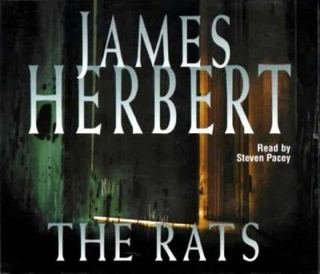
In a derelict London of bombsites and condemned terraces — Herbert's own East End, rendered with documentary anger — something has been breeding: black rats the size of dogs, intelligent, coordinated and no longer afraid. Art teacher Harris becomes the reluctant point man as the attacks escalate from derelicts and infants (Herbert kills victims the genre had always spared, and gives each a biography first) to a rush-hour Underground train, while the ministries dither and the cover-ups begin. The class politics are not subtext: the rats eat the people the state had already abandoned. Written in ten months by an ad-man who had never tried a novel; the first printing sold out in weeks.
The book that founded modern British mass-market horror — the 'nasty' done with real craft and class fury — launching Herbert's career, two sequels and the template for every revolt-of-nature paperback that followed.
Herbert's mutant black rats versus a negligent British state, from East End dereliction to post-nuclear Domain: the founding franchise of British paperback horror.
In the Guide from The Rats:
Prefer Amazon? Buying through these links may earn SFcrowsnest a small commission, at no extra cost to you.
Buy on Amazon UK → Buy on Amazon US →As an Amazon Associate, SFcrowsnest earns from qualifying purchases.
The dark twin of Hill House and the template for the 'team investigates bad place' structure that powers half of modern horror cinema; filmed in 1973 as The Legend of Hell House from Matheson's own script.
Source of Hellraiser (1987), directed by Barker himself, and of Pinhead's permanent place in horror iconography; the most influential treatment of the 'be careful what you summon by wanting' theme in modern horror.
World and British Fantasy Award-winning collections that announced horror's most original new voice since King — who said so, in the most famous blurb the genre owns — and founded modern body horror's literary wing.