Author Profile · Horror & Fantasy & Science Fiction
Stephen King
b. 1947 · American
Who is Stephen King?
A Maine schoolteacher living in a trailer when his wife Tabitha retrieved the opening pages of Carrie from the bin — publishing's most consequential piece of housekeeping. The paperback rights sale changed his life; the next half-century changed the genre's: four-hundred-odd million books, sixty-plus novels (five as Richard Bachman), the most adapted living author on Earth, and a body of work — Castle Rock, Derry, the Dark Tower spine connecting it all — that amounts to a shadow history of small-town America. The addictions of his 1980s peak are documented in his own indispensable On Writing; the near-fatal 1999 van accident reshaped his later fiction. Critics surrendered by stages: a National Book Foundation medal in 2003 made it official.
Why they matter
Simply the most important horror writer who has ever lived, by reach: King made the genre a mass medium, trained generations of readers and writers, and his best books — The Shining, The Stand, It — are American literature wearing horror's jacket.
Essential books — and where to start
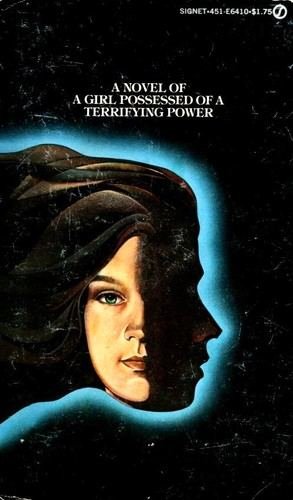
Carrie ★ start here
1974 · Horror · Supernatural Horror, Psychological Horror
Carrie White, sixteen, has her first period in the school showers and is pelted with tampons by classmates chanting 'plug it up' — the opening humiliation that wakes her telekinesis and sets the fuse on prom night. King assembles the catastrophe as found documentary: committee reports, memoirs, AP wires and the novel's present tense interleaved, so the reader always knows the gymnasium burns and reads on anyway. Margaret White's scripture-warped mothering supplies the domestic horror that outclasses the supernatural one. Written in a trailer laundry room, rescued from the bin by Tabitha King, sold for a $400,000 paperback advance: the genre's foundation legend.
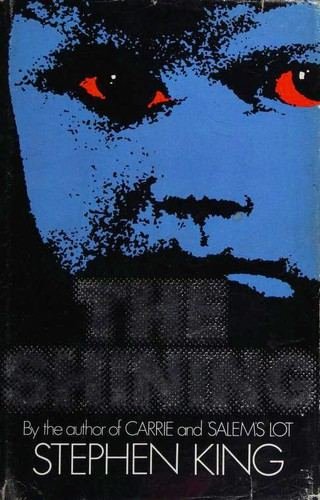
1977 · Horror · Ghost Story, Psychological Horror, Supernatural Horror
Jack Torrance — recovering alcoholic, fired teacher, playwright one break from redemption — takes the winter caretaker's job at the Overlook Hotel, snowbound in the Colorado Rockies, with his wife Wendy and son Danny, whose 'shining' makes him exactly what the hotel has been waiting to feed on. King wrote it sober about not being sober: the hedge animals and Room 217 are terrifying, but the engine is Jack's documented, internal, self-justifying slide — the hotel merely countersigns. The boiler, the roque mallet, REDRUM in the mirror: the haunted house novel rebuilt around the haunted father.
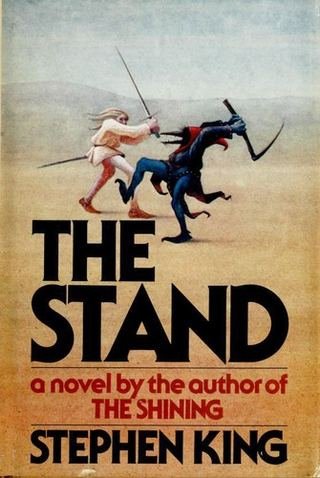
1978 · Horror · Post-Apocalyptic, Dark Fantasy, Epic Fantasy
A security failure at a Defense Department lab releases Captain Trips, a superflu with a 99.4 per cent completion rate, and King spends three hundred unhurried pages killing America — the tunnel sequence, the clear, the dreams beginning. The survivors sort themselves by dream: toward Mother Abagail, a hundred and eight years old in a Nebraska cornfield, or toward Randall Flagg, the walkin' dude, the genre's best devil, building order in Las Vegas. The epic that follows — society rebooted in Boulder, the bomb in the closet, the final walk west — is King's Lord of the Rings, by his own account: American geography as moral landscape. The 1990 uncut edition restores four hundred pages.
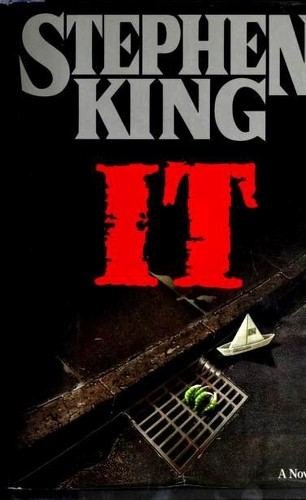
1986 · Horror · Supernatural Horror, Cosmic Horror, Dark Fantasy
Derry, Maine, where the adults look away and something in the sewers wakes every twenty-seven years to eat children, wearing their fears — most famously the clown, Pennywise, with its boat and its balloons in the storm drain. Seven eleven-year-olds — the Losers' Club — hurt It in 1958 and swear the oath; the novel braids that summer with 1985, when the call comes and six of them (memory has been merciful) return as successful, hollowed adults to finish the job. King's thousand-page thesis on childhood, memory and the price of forgetting contains his best ensemble writing; it also contains one notorious sewer scene the field has argued about since publication.
Series
1926–2013 · American
The great normaliser of horror: by relocating the uncanny to postwar ordinary life, Matheson built the road King drove down, and I Am Legend's last-man-amid-infection template underwrites half of modern apocalyptic fiction and film.
b. 1947 · American
The first major post-Tolkien fantasist to weaponise the form against its own escapism: Covenant's anti-heroism opened the door through which grimdark, Abercrombie and every morally impossible protagonist since walked.
1920–2012 · American
The writer who proved science fiction could be literature without apologising.
