Author Profile · Fantasy & Horror & Science Fiction
Fritz Leiber
1910–1992 · American
Who was Fritz Leiber?
Son of a famous Shakespearean actor and a sometime actor himself, Leiber brought theatrical wit to everything he touched — and he touched everything. He coined the very term 'sword and sorcery' and embodied it in Fafhrd and the Gray Mouser, the bickering rogues of Lankhmar who answered Conan's grimness with banter and bad decisions. He modernised the witch story (Conjure Wife), invented urban horror's idea that cities breed their own ghosts ('Smoke Ghost', Our Lady of Darkness), and won back-to-back-ish Hugos for SF as different as The Big Time and The Wanderer. Six Hugos, four Nebulas, and the field's most elegant prose this side of anywhere.
Why they matter
The bridge between Howard and modern fantasy, the founder of urban supernatural horror, and sword and sorcery's official christener. Lankhmar is the direct ancestor of every thieves' city in fantasy, Discworld's Ankh-Morpork included — Pratchett said so.
Essential books — and where to start
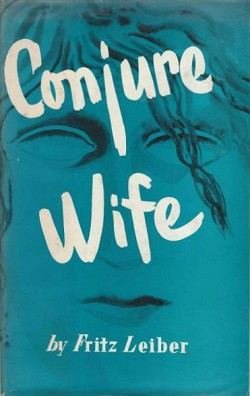
1943 · Horror · Supernatural Horror, Urban Fantasy
Sociology professor Norman Saylor, debunker of superstition, discovers his wife Tansy practises protective magic — and makes her burn every charm in the house. His career, luck and life immediately begin to fail, because every faculty wife on campus is a witch, the spells are real, and Tansy was his only armour in a war he never knew was being fought. Leiber plays the premise with perfect deadpan logic, turning academic politics into occult siege warfare. First serialised in Unknown in 1943; the campus has dated, the paranoia hasn't.
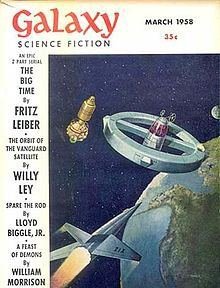
1958 · Science Fiction · Time Travel, New Wave SF
The Change War rages up and down history between the Spiders and the Snakes, each side resurrecting the dead as soldiers and rewriting the past out from under the present. The Big Time never leaves the Place: a rest-and-recreation station outside time, staffed by entertainer Greta Forzane, where a handful of soldiers and comforters are locked in with an activated atomic bomb and a missing inverter. A time-war epic staged as a single-set theatrical thriller — Leiber's stagecraft inheritance in its purest form, complete with monologues to the audience.
1970 · Fafhrd and the Gray Mouser, book 1 · Fantasy · Sword and Sorcery, Heroic Fantasy
The chronological gateway to Lankhmar: the origins of the barbarian Fafhrd's flight from the Snow Waste and the apprentice magician Mouse's scorching into the Gray Mouser, capped by 'Ill Met in Lankhmar', in which the two meet over a mutual ambush of the Thieves' Guild and pay a price that shadows the rest of the saga. Leiber's swordplay is balletic, his city reeks magnificently, and the banter between his rogues set the tone for every adventuring duo since. Begin here, then read the other six volumes immediately.
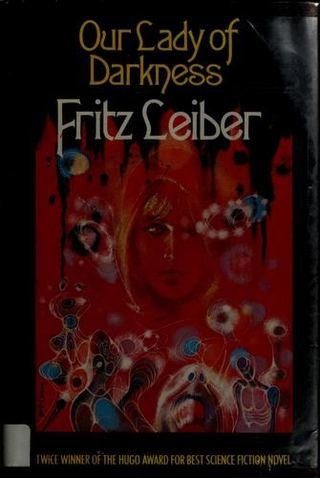
1977 · Horror · Urban Fantasy, Weird Fiction, Psychological Horror
Recovering alcoholic horror writer Franz Westen — Leiber, barely disguised, grieving his wife as Leiber grieved his — spots a robed figure waving from Corona Heights through his binoculars, and then realises the figure is waving from the spot where he stands. The trail leads through the occult history of bohemian San Francisco, Clark Ashton Smith's journals and the sinister science of 'megapolisomancy': the divination and summoning of the paramental entities that vast cities breed. Tender, autobiographical and quietly terrifying — haunted-city fiction's finest hour.
Series
b. 1947 · American
Simply the most important horror writer who has ever lived, by reach: King made the genre a mass medium, trained generations of readers and writers, and his best books — The Shining, The Stand, It — are American literature wearing horror's jacket.
b. 1972 · British
The central figure of the New Weird and the most formally restless major fantasist of his generation: Miéville re-opened the weird tradition for the twenty-first century and made genre hybridity itself a respectable literary project.
b. 1952 · British
The most original British horror voice of his generation: Barker rewired the genre's relationship with the body and desire, founded the dark-fantasy register a generation now writes in, and gave horror cinema one of its enduring mythologies.
