Author Profile · Science Fiction & Horror
Mary Shelley
1797–1851 · British
Who was Mary Shelley?
Daughter of radical philosopher William Godwin and feminist pioneer Mary Wollstonecraft, wife of the poet Percy Bysshe Shelley, and — rather more importantly for our purposes — the teenager who invented science fiction during a wet summer on Lake Geneva. Challenged by Byron to write a ghost story in 1816, the eighteen-year-old Mary produced the germ of Frankenstein, a novel that asked what happens when science usurps creation and then refuses to take responsibility for the results. She followed it with The Last Man, one of the first great pandemic-apocalypse novels, written while burying most of the people she loved. Gothic in furniture, scientific in engine, humane in conviction: the whole genre starts here.
Why they matter
Frankenstein is, by most serious accounts (Brian Aldiss's included), the first true science fiction novel: the fantastic event generated by science rather than the supernatural, with the moral bill presented in full. Every robot rebellion, rogue AI and lab-grown catastrophe since owes her royalties.
Essential books — and where to start
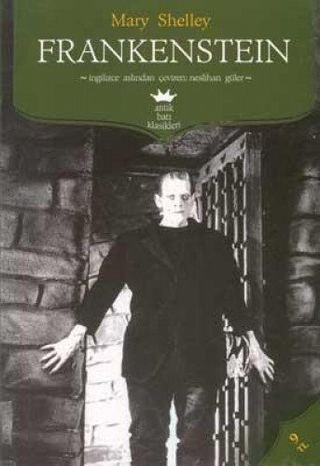
1818 · Science Fiction · Gothic Horror, Scientific Romance
Swiss student Victor Frankenstein discovers the principle of life, assembles a creature from charnel-house raw materials, and flees in revulsion from the result — the first and most catastrophic case of a scientist failing his ethics review. Abandoned and self-educated, the creature turns on its maker with terrible eloquence, demanding a mate and exacting revenge across Europe to the Arctic ice. Told in nested narratives, it is simultaneously a gothic shocker, a philosophical novel about responsibility and nurture, and the founding text of science fiction.
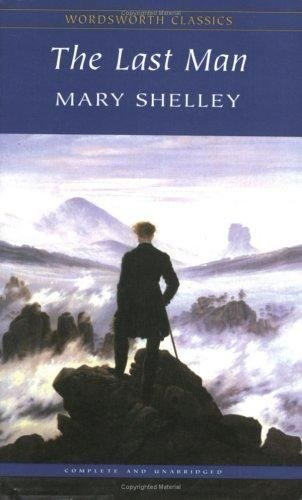
1826 · Science Fiction · Post-Apocalyptic
In the late twenty-first century, a plague spreads inexorably across the globe while England's last generation — thinly veiled portraits of Byron, Percy Shelley and the author's lost circle — watch civilisation gutter out. Lionel Verney, the narrator, is left wandering the depopulated monuments of Europe, the last man of the title. Savaged by critics on publication for its morbidity, it reads now as the prototype of the pandemic-apocalypse novel and as a raw act of mourning by a woman who had outlived nearly everyone she loved.
b. 1947 · American
Simply the most important horror writer who has ever lived, by reach: King made the genre a mass medium, trained generations of readers and writers, and his best books — The Shining, The Stand, It — are American literature wearing horror's jacket.
1947–2015 · British
The great sensualist of fantasy and a key architect of its dark, eroticised register — the bridge between Moorcock's generation and modern dark fantasy and paranormal fiction.
1926–2013 · American
The great normaliser of horror: by relocating the uncanny to postwar ordinary life, Matheson built the road King drove down, and I Am Legend's last-man-amid-infection template underwrites half of modern apocalyptic fiction and film.
