The Case of Charles Dexter Ward
Lovecraft's finest long-form narrative by many estimates; filmed (loosely) as The Haunted Palace and The Resurrected, and a model for necromantic horror since.

The essential authors of science fiction, fantasy & horror — and where to start reading them.
Book Entry · Science Fiction
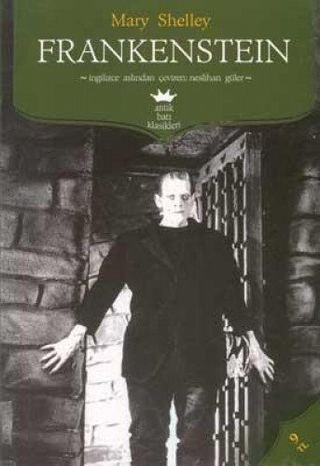
by Mary Shelley · 1818
Swiss student Victor Frankenstein discovers the principle of life, assembles a creature from charnel-house raw materials, and flees in revulsion from the result — the first and most catastrophic case of a scientist failing his ethics review. Abandoned and self-educated, the creature turns on its maker with terrible eloquence, demanding a mate and exacting revenge across Europe to the Arctic ice. Told in nested narratives, it is simultaneously a gothic shocker, a philosophical novel about responsibility and nurture, and the founding text of science fiction.
Widely regarded as the first science fiction novel. Endlessly adapted (notably Universal's 1931 film) and the source of the genre's central myth: creation without responsibility. The 1831 revised text is the one most readers know.
Prefer Amazon? Buying through these links may earn SFcrowsnest a small commission, at no extra cost to you.
Buy on Amazon UK → Buy on Amazon US →As an Amazon Associate, SFcrowsnest earns from qualifying purchases.
Lovecraft's finest long-form narrative by many estimates; filmed (loosely) as The Haunted Palace and The Resurrected, and a model for necromantic horror since.
The most influential horror novel in the language: the source code for vampire fiction and a permanent fixture of world culture, from Nosferatu and the Lugosi and Lee films onward.
The archetypal gothic tale and a masterclass in atmosphere studied by horror writers ever since.