Author Profile · Fantasy & Horror & Science Fiction
Tanith Lee
1947–2015 · British
Who was Tanith Lee?
A London dancer's daughter who left school at seventeen, worked as a filing clerk and waitress, and became the first woman to win the British Fantasy Award for best novel — then wrote upwards of ninety books and three hundred stories in a torrent of jewelled, perfumed, frequently wicked prose. Lee's territory is desire and its monsters: the Flat Earth cycle's demon lords conducting their elegant cruelties beneath an antique world, fairy tales retold with the subtext surgically exposed (Red As Blood got there decades before retellings became an industry), vampires, goddesses and androids beautiful enough to die for. Criminally under-reprinted in her later years, she kept writing to the end, never once boring.
Why they matter
The great sensualist of fantasy and a key architect of its dark, eroticised register — the bridge between Moorcock's generation and modern dark fantasy and paranormal fiction. Night's Master and her retold fairy tales quietly seeded subgenres that now fill entire shelves.
Essential books — and where to start
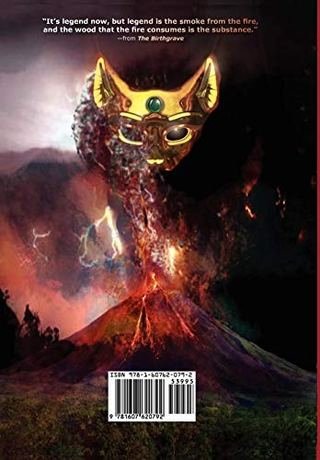
1975 · Fantasy · Sword and Sorcery, Dark Fantasy, Feminist SF
A woman wakes in the heart of a dormant volcano with no name, no memory and a face she is told is too terrible to show: goddess, monster or weapon, she walks out into a brutal bronze-age world that worships, enslaves and fears her by turns. Lee's debut adult novel is sword and sorcery refocused through a woman's estranged eyes — power experienced as curse, beauty as mask, the quest not for treasure but for her own face — ending in a swerve (an SF reframe) that readers have argued about ever since. Vast, lurid and commanding.
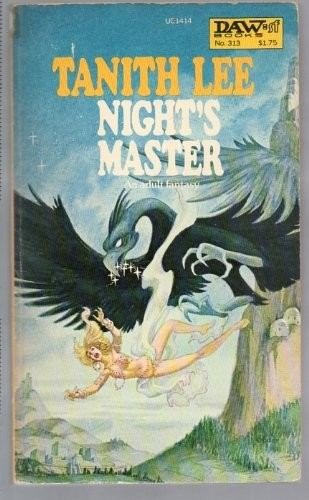
1978 · Tales from the Flat Earth, book 1 · Fantasy · Mythic Fantasy, Dark Fantasy
Beneath the Flat Earth, in Druhim Vanashta the demon city, dwells Azhrarn, Night's Master, Prince of Demons: beautiful, bored and given to interfering with mortals as an artist interferes with paint. The linked tales — a boy raised underground in perfect love and ruined by a single flaw of pride, a collar of hate that passes from neck to neck, humanity's near-destruction and its salvation at a demon's whim — read as The Arabian Nights rewritten by a decadent poet. Lee's prose is incense-thick and precise at once, and Azhrarn, wickedness itself capable of one redeeming act, is her most seductive creation.
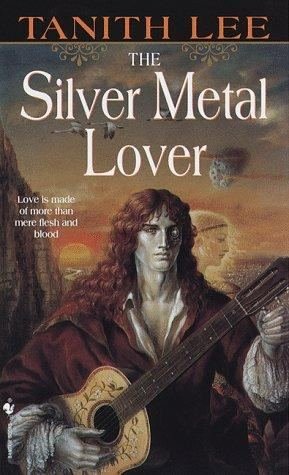
1981 · Science Fiction · Social SF, Feminist SF
Jane, sixteen, rich, plain and entirely curated by her glamorous mother, meets S.I.L.V.E.R. — Silver Ionized Locomotive Verisimulated Electronic Robot, a minstrel-model android with auburn hair and a guitar — and falls catastrophically, transformatively in love. Selling everything to live with him in the slums, she watches the impossible happen: the performance of love becoming, perhaps, the thing itself, even as the manufacturers announce a recall. Lee plays the teenage-diary voice absolutely straight, and the ending has left readers in pieces for forty years. The android-romance novel against which the rest are measured.
Series
b. 1960 · British
The defining mythic fantasist of his generation: Sandman legitimised comics as literature, American Gods codified the gods-among-us novel, and his fairy-tale register shaped two decades of fantasy, YA and screen storytelling.
1920–2012 · American
The writer who proved science fiction could be literature without apologising.
b. 1947 · American
Simply the most important horror writer who has ever lived, by reach: King made the genre a mass medium, trained generations of readers and writers, and his best books — The Shining, The Stand, It — are American literature wearing horror's jacket.
