Cat's Cradle
Hugo-shortlisted and permanently canonical: the Cold War's sharpest fable of careless science, and the source of 'karass', 'granfalloon' and ice-nine as cultural shorthand.

The essential authors of science fiction, fantasy & horror — and where to start reading them.
Book Entry · Science Fiction
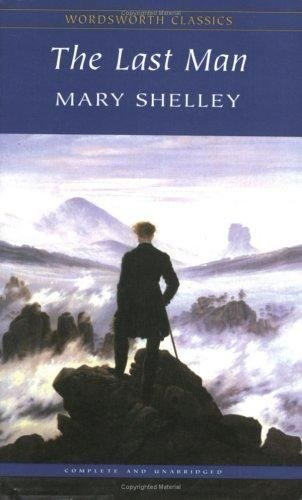
In the late twenty-first century, a plague spreads inexorably across the globe while England's last generation — thinly veiled portraits of Byron, Percy Shelley and the author's lost circle — watch civilisation gutter out. Lionel Verney, the narrator, is left wandering the depopulated monuments of Europe, the last man of the title. Savaged by critics on publication for its morbidity, it reads now as the prototype of the pandemic-apocalypse novel and as a raw act of mourning by a woman who had outlived nearly everyone she loved.
One of the earliest end-of-the-world novels in English and ancestor of everything from Earth Abides to Station Eleven. Rediscovered and rehabilitated by scholars in the twentieth century.
Prefer Amazon? Buying through these links may earn SFcrowsnest a small commission, at no extra cost to you.
Buy on Amazon UK → Buy on Amazon US →As an Amazon Associate, SFcrowsnest earns from qualifying purchases.
Hugo-shortlisted and permanently canonical: the Cold War's sharpest fable of careless science, and the source of 'karass', 'granfalloon' and ice-nine as cultural shorthand.
A staple of school syllabuses across the Commonwealth and arguably the best thing Wyndham wrote; its influence runs through YA dystopia's entire bloodline.
The opening of Xenogenesis, Butler's masterwork of unsentimental first contact — a fixture of university courses on posthumanism and the standing rebuke to comfortable alien-saviour stories.