Author Profile · Fantasy & Horror
Neil Gaiman
b. 1960 · British
Who is Neil Gaiman?
A Portchester-born journalist who began with a Duran Duran biography and a Douglas Adams companion, co-wrote Good Omens with Terry Pratchett, and then, in DC's The Sandman (1989–96), produced the comic that made the medium respectable at dinner parties: Morpheus of the Endless, seventy-five issues of myth run through a goth filter, and the first comic to win a World Fantasy Award. The novels followed — Neverwhere's London Below, American Gods' roadside pantheons, Coraline's button-eyed other mother, The Graveyard Book's Newbery and Carnegie double — making him fantasy's most famous living ambassador. In 2024–25, multiple allegations of sexual misconduct (which he denies) saw adaptations shelved and his standing fiercely contested; the work's influence on three decades of fantasy is, regardless, a matter of record.
Why they matter
The defining mythic fantasist of his generation: Sandman legitimised comics as literature, American Gods codified the gods-among-us novel, and his fairy-tale register shaped two decades of fantasy, YA and screen storytelling.
Essential books — and where to start
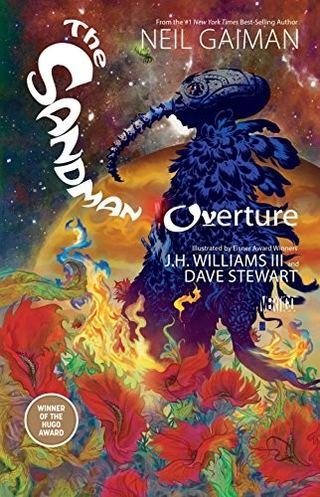
1989 · Fantasy · Mythic Fantasy, Dark Fantasy, Urban Fantasy
Captured in 1916 by an occultist fishing for Death, Dream of the Endless — Morpheus, lord of stories, pale and difficult — escapes seventy years later into a comics series that swallowed every mythology whole: Cain and Abel, Lucifer resigning Hell and handing Morpheus the key, Shakespeare's commissioned dreams, a serial-killers' convention, and Death herself as a sensible goth older sister. Across seventy-five issues (1989–96) Gaiman built a single tragedy — a king of stories learning, too slowly, that he is in one — and ended it on schedule, a thing comics simply did not do. The Dreaming has been continuously inhabited since.
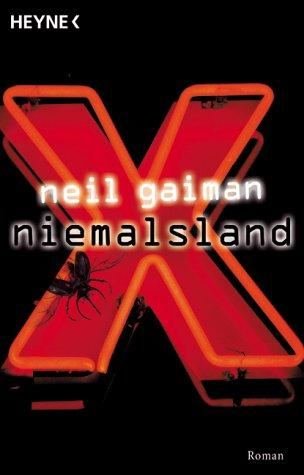
1996 · Fantasy · Urban Fantasy, Portal Fantasy, Dark Fantasy
Richard Mayhew, a young London businessman with a terrifying fiancée, stops to help a bleeding girl on the pavement and falls out of the world: erased from London Above, he descends into London Below, where the Underground map is literal — an actual Angel called Islington, an Earl holding court on a Tube carriage, Night's Bridge crossed in darkness, shepherds at Shepherd's Bush one does not meet. Escorting the girl, Door, through the murder investigation of her family, he acquires the silkily horrible assassins Croup and Vandemar as pursuers and, eventually, a self that fits. Novelised from Gaiman's 1996 BBC series and improved in every subsequent 'author's preferred' iteration.
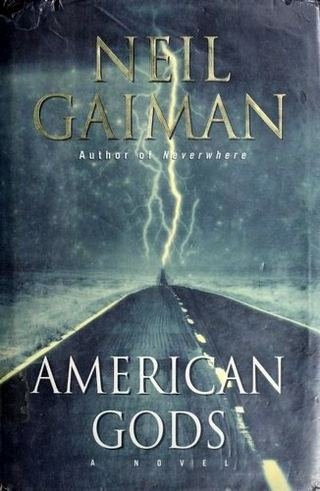
2001 · Fantasy · Mythic Fantasy, Urban Fantasy, Dark Fantasy
Shadow Moon leaves prison three days early for his wife's funeral and is hired, mid-flight, by Mr Wednesday: con-man, one glass eye, Wodan in a road-stained suit, recruiting for a war between the gods immigrants carried to America — now scraping livings as morticians, cab drivers and prostitutes — and the new gods of media, freeway and silicon. The road trip runs through roadside attractions (places of power, naturally), the eerie idyll of Lakeside, a coin-trick resurrection and a two-man grift centuries deep. Gaiman's great American novel-as-theology: belief as economy, the Midwest as mythic landscape, all of it written by an Englishman in a Minneapolis-adjacent farmhouse.
b. 1952 · British
The most original British horror voice of his generation: Barker rewired the genre's relationship with the body and desire, founded the dark-fantasy register a generation now writes in, and gave horror cinema one of its enduring mythologies.
1947–2015 · British
The great sensualist of fantasy and a key architect of its dark, eroticised register — the bridge between Moorcock's generation and modern dark fantasy and paranormal fiction.
1934–2011 · British
The bridge between the Inklings and modern fantasy's craft: her deconstructions anticipated and outwitted the genre's clichés decades before 'subversion' became a selling point, and her influence runs through Rowling's generation whether acknowledged or not.
