Who was Diana Wynne Jones?
Educated at Oxford, where she attended lectures by both Lewis and Tolkien (and found Tolkien inaudible — he lectured, she claimed, with his back to the room), Jones spent a neglected wartime childhood reading everything and converted it into the most structurally inventive children's fantasy of her century. Her books treat magic as a problem of administration and family as the true dark lord: nine-lived enchanters audited across parallel worlds, a vain young wizard whose moving castle is powered by a bargained fire demon, and in The Tough Guide to Fantasyland, the funniest demolition of genre cliché ever assembled. Adored by writers (Gaiman calls her the best of them), adapted by Miyazaki, and never once awarded the mainstream fame she'd earned — a fact her readership treats as a standing grievance.
Why they matter
The bridge between the Inklings and modern fantasy's craft: her deconstructions anticipated and outwitted the genre's clichés decades before 'subversion' became a selling point, and her influence runs through Rowling's generation whether acknowledged or not.
Essential books — and where to start
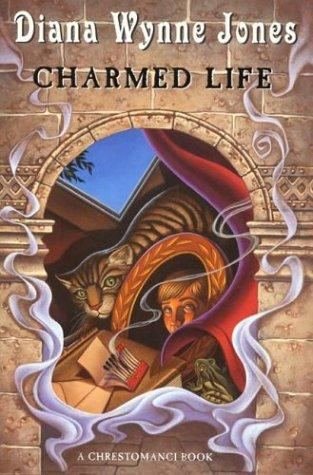
1977 · Chrestomanci, book 1 · Fantasy · Children's & YA Fantasy, Portal Fantasy, Comic Fantasy
Orphaned Cat Chant tags along behind his dazzling sister Gwendolen, a witch of vaulting ambition, when the enigmatic Chrestomanci — nine-lived government enchanter, devastating dressing-gowns — takes them into his castle. Gwendolen, denied advancement, escapes into a parallel world and leaves a baffled double in her place; Cat, who believes he has no magic at all, turns out to be the most dangerous person in the book, his lives being spent by someone else like small change. Jones's trademarks complete: family as the site of the sharpest cruelty, magic as moral accounting, comedy with a blade in it.
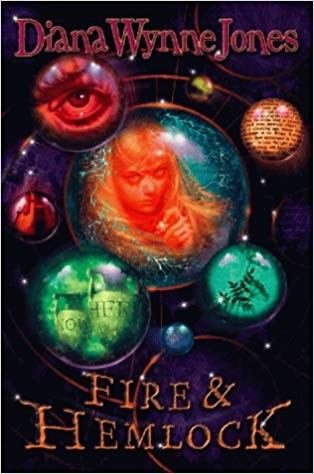
1985 · Fantasy · Urban Fantasy, Mythic Fantasy, Children's & YA Fantasy
Polly, packing for university, notices she has two sets of memories: the dull official one, and another — fading like a photograph — in which, aged ten, she gatecrashed a funeral and befriended the cellist Thomas Lynn, inventing heroic stories with him by post that kept coming true in increasingly sinister ways. The buried strand is a Tam Lin retelling: Tom is the Queen-figure Laurel's sacrificial property, Polly the only one who might pull him back, and the price of remembering is the book's labyrinthine, argued-over ending. Jones's most personal and most literary novel, with a reading list folded in (Polly's education in heroism is the reader's).
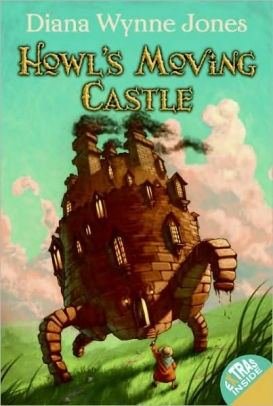
1986 · Fantasy · Children's & YA Fantasy, Comic Fantasy, Portal Fantasy
Sophie Hatter, eldest of three in a land where everyone knows the eldest fails first, is transformed by the Witch of the Waste into a ninety-year-old woman — and finds the change oddly liberating: no longer shy, she installs herself as cleaning lady in the walking castle of the wizard Howl, vain, cowardly, serially heartbroken-hearted and Welsh (the castle's fourth door opens onto a rugby-watching family in Wales). With the fire demon Calcifer angling for release from his contract, Sophie scolds, scrubs and accidentally enchants her way to the truth about Howl's missing heart, her own buried magic, and a curse built from a Donne poem.
Series
b. 1965 · British
Harry Potter is the bestselling book series ever written and the single largest recruitment event in the history of reading: whatever the field's arguments about craft or author, modern fantasy's mass audience was substantially built at Platform Nine and Three-Quarters.
b. 1944 · American
The author whose success built the commercial epic fantasy category: Del Rey's Shannara experiment created the market that Jordan, Eddings and everyone since sold into.
b. 1960 · British
The defining mythic fantasist of his generation: Sandman legitimised comics as literature, American Gods codified the gods-among-us novel, and his fairy-tale register shaped two decades of fantasy, YA and screen storytelling.
