Author Profile · Fantasy & Science Fiction
C. S. Lewis
1898–1963 · British (Irish-born)
Who was C. S. Lewis?
Belfast-born Oxford don, First World War infantry officer, and the twentieth century's most famous adult convert to Christianity — argued into it, in part, on a late-night walk with his friend Tolkien, a debt repaid in decades of mutual criticism at the Inklings' pub sessions. Lewis wrote the Narnia books at speed in his fifties, mixing wardrobe-door wonder, talking beasts, Plato and theology with a children's-author directness Tolkien found deplorable and children found irresistible: a hundred million copies and counting. His Ransom trilogy took medieval cosmology to Mars and Venus; Till We Have Faces, his strange late masterpiece, retold Cupid and Psyche from the jealous sister's view. Died the same day as Huxley and Kennedy, completing the century's oddest exit queue.
Why they matter
Narnia is one of fantasy's two great gateway drugs (the other being The Hobbit) and the model for every portal fantasy since; with Tolkien, Lewis made Oxford the unlikely engine room of the modern fantastic.
Essential books — and where to start
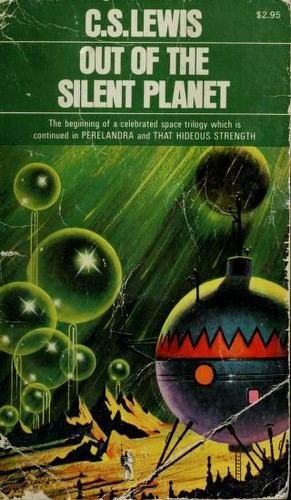
1938 · The Cosmic Trilogy, book 1 · Science Fiction · Planetary Romance, Scientific Romance, Mythic Fantasy
Philologist Elwin Ransom, on a walking tour, is chloroformed by a megalomaniac physicist and a venal businessman and shipped to Malacandra — Mars — as a presumed human sacrifice. Escaping, he discovers a world without the Fall: three intelligent species sharing a dying planet without war, under the governance of luminous eldila and the planetary intelligence Oyarsa, who reveals why Earth is called Thulcandra, the silent planet, and what bent spirit governs it. Lewis wrote it to answer the interplanetary imperialism of Wells and Stapledon — Weston's climactic speech for colonising the universe is translated, sentence by deflating sentence, into plain Malacandrian and collapses on contact.
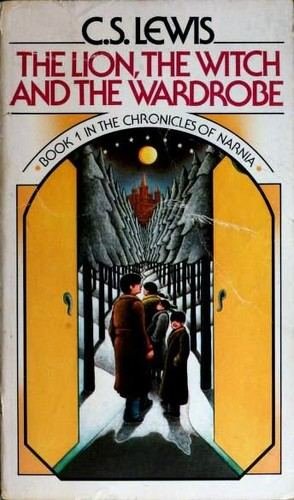
1950 · The Chronicles of Narnia, book 1 · Fantasy · Portal Fantasy, Children's & YA Fantasy, Mythic Fantasy
Four evacuated children, one spare room, one wardrobe with no back: Lucy Pevensie steps through fur coats into snow, meets a faun carrying parcels, and opens the doorway to Narnia — a hundred years winter-bound under the White Witch, and never Christmas. Edmund's betrayal for Turkish delight, the thaw that runs ahead of Aslan like a rumour, the Stone Table cracked and the deeper magic from before the dawn of time: Lewis built the central myth of his faith into a children's adventure with such directness that generations absorbed it before noticing. Tolkien hated the mishmash — fauns, Father Christmas, talking beavers. A hundred million readers have registered their dissent.
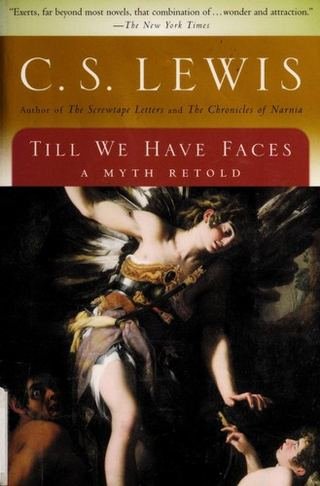
1956 · Fantasy · Mythic Fantasy, Historical Fantasy, Literary SF
Orual, ugly elder princess of the barbarian kingdom of Glome, writes her complaint against the gods: they took her beloved sister Psyche as a sacrifice-bride for the god of the Mountain, showed Orual just enough to torment her and not enough to believe, and let her jealous love — she insists it was love — destroy what it clasped. The first book is her case for the prosecution; the brief second book is the verdict, in which Orual finally hears her own voice read back and understands the title: how can the gods meet us face to face till we have faces? Lewis's retelling of Cupid and Psyche, his last and strangest novel, and his wife Joy Davidman's fingerprints are on every page.
Series
1912–2005 · American
Quietly one of the most influential figures in the field: she trained the readership.
b. 1946 · British
His Dark Materials raised the ceiling of children's fantasy permanently — Carnegie Medal, Whitbread Book of the Year (the first children's book to win it), and the proof that a bestselling YA epic could carry Milton, Blake and heresy without slowing down.
1937–1995 · American
The New Wave's mythographer, who fused literary technique with pulp velocity and made it look effortless.
