Gloriana; or, The Unfulfill'd Queen
World Fantasy Award winner (1979) and the bridge between Peake's gothic tradition and the New Weird; Miéville and VanderMeer both point straight at it.

The essential authors of science fiction, fantasy & horror — and where to start reading them.
Book Entry · Fantasy
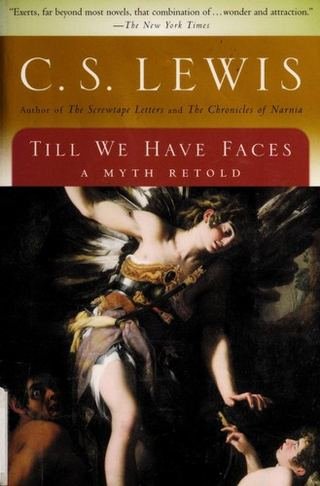
Orual, ugly elder princess of the barbarian kingdom of Glome, writes her complaint against the gods: they took her beloved sister Psyche as a sacrifice-bride for the god of the Mountain, showed Orual just enough to torment her and not enough to believe, and let her jealous love — she insists it was love — destroy what it clasped. The first book is her case for the prosecution; the brief second book is the verdict, in which Orual finally hears her own voice read back and understands the title: how can the gods meet us face to face till we have faces? Lewis's retelling of Cupid and Psyche, his last and strangest novel, and his wife Joy Davidman's fingerprints are on every page.
Widely held (by Lewis himself, among others) to be his best book: the proof that the Narnian apologist could write tragic, ambiguous myth for adults — a touchstone for literary fantasy's mythic-retelling tradition.
Prefer Amazon? Buying through these links may earn SFcrowsnest a small commission, at no extra cost to you.
Buy on Amazon UK → Buy on Amazon US →As an Amazon Associate, SFcrowsnest earns from qualifying purchases.
World Fantasy Award winner (1979) and the bridge between Peake's gothic tradition and the New Weird; Miéville and VanderMeer both point straight at it.
Hugo, World Fantasy and Mythopoeic winner, Booker-longlisted, a million-copy bestseller and BBC series: the book that demonstrated, once and for all, that the full apparatus of the literary novel and the full apparatus of fantasy are the same machine.
The trilogy's later volumes took the World Fantasy Award (Madouc, 1990); its blend of folklore and statecraft visibly influenced Gaiman's Stardust and modern fairy-tale epic alike.