Who is Philip Pullman?
A Norwich-born former Oxford schoolteacher who retold Paradise Lost for twelve-year-olds and made the Fall the happy ending. His Dark Materials — armoured bears, dæmons (the soul worn outside, as animal companion), the subtle knife that cuts between worlds, and the Authority himself dying of old age in a crystal box — is the great anti-Narnia: a passionate argument for experience over innocence, matter over spirit, and the republic (not kingdom) of heaven, conducted with storytelling so assured the theology goes down like adventure. The Book of Dust continues the project; his Grimm retellings and essays confirm the craftsman behind the controversialist. Knighted in 2019, grumbling amiably.
Why they matter
His Dark Materials raised the ceiling of children's fantasy permanently — Carnegie Medal, Whitbread Book of the Year (the first children's book to win it), and the proof that a bestselling YA epic could carry Milton, Blake and heresy without slowing down.
Essential books — and where to start
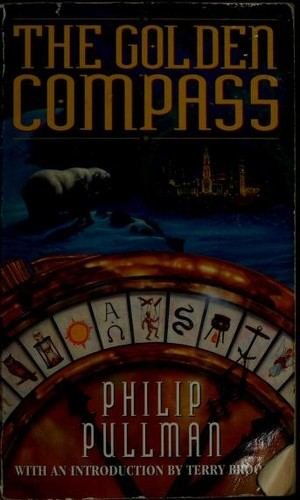
1995 · His Dark Materials, book 1 · Fantasy · Children's & YA Fantasy, Portal Fantasy, Steampunk
Lyra Belacqua, half-wild ward of an alternate Oxford where everyone's soul walks beside them as a dæmon, eavesdrops from a wardrobe on her formidable uncle's heresies about Dust — and is swept into the hunt for the child-stealing Gobblers, whose work in the Arctic involves a silver guillotine and the Church's deepest anxieties about original sin. Her allies: gyptians, witches, a Texan balloonist and Iorek Byrnison, deposed king of the armoured bears, fantasy's best ursine character by an unbridgeable margin. The alethiometer tells her the truth; the adults, almost uniformly, do not. Published in the US, with a tin ear, as The Golden Compass.
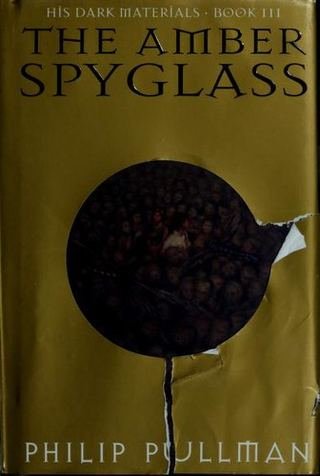
2000 · His Dark Materials, book 3 · Fantasy · Children's & YA Fantasy, Portal Fantasy, Mythic Fantasy
The trilogy's full Miltonic machinery deploys: Lyra and Will descend into the land of the dead with the harpies (and strike the bargain — true stories for passage — that re-purposes an afterlife), Mary Malone plays serpent among the mulefa, wheeled creatures who see Dust plainly, and the Authority — ancient, senile, grateful — dissolves on the wind while the actual war passes him by. The ending Pullman had promised all along arrives as the Fall replayed and won: two children, a piece of fruit, and then the cruellest, kindest separation in children's literature, with the Republic of Heaven left as homework.
Series
1898–1963 · British (Irish-born)
Narnia is one of fantasy's two great gateway drugs (the other being The Hobbit) and the model for every portal fantasy since; with Tolkien, Lewis made Oxford the unlikely engine room of the modern fantastic.
b. 1960 · British
The defining mythic fantasist of his generation: Sandman legitimised comics as literature, American Gods codified the gods-among-us novel, and his fairy-tale register shaped two decades of fantasy, YA and screen storytelling.
1934–2011 · British
The bridge between the Inklings and modern fantasy's craft: her deconstructions anticipated and outwitted the genre's clichés decades before 'subversion' became a selling point, and her influence runs through Rowling's generation whether acknowledged or not.
