Who is Andrzej Sapkowski?
A Łódź economist and travelling fur-trade salesman who entered a short-story competition in 1986 with 'The Witcher' — a monster-slayer-for-hire applying professional ethics to a striga contract — and accidentally founded Poland's national fantasy. Geralt of Rivia: mutant, white-haired, allegedly emotionless (the books run a long joke on how untrue this is), working the monster-infested margins of a world where the real predators hold thrones, while Slavic folklore and fractured fairy tales supply the casework and the destiny-child Ciri supplies the saga. Sapkowski's register — ironic, talky, politically jaundiced — made the books Eastern European classics long before CD Projekt's games and Netflix's series made Geralt global; the author's magnificently grumpy relationship with the games' success is its own running entertainment.
Why they matter
The most successful fantasy export in any translation since Tolkien's heyday: the Witcher saga brought Slavic folklore and Central European irony into the genre's mainstream and, via its adaptations, reshaped fantasy's global media economy.
Essential books — and where to start
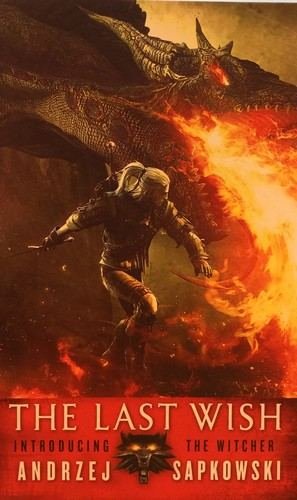
1993 · The Witcher · Fantasy · Sword and Sorcery, Dark Fantasy, Mythic Fantasy
The foundational Geralt collection: linked stories in which the white-haired witcher takes contracts that are never quite what the posting said — a striga who is a king's cursed daughter (kill or cure, and curing pays worse), a devil in the fields who is nothing of the sort, Beauty and the Beast and Snow White retold until the fairy tale confesses its economics, and the djinn whose final wish binds Geralt to the sorceress Yennefer, the saga's great catastrophic romance, in the title story. Sapkowski's register — folkloric matter, modern irony, arguments about lesser evils that end with everyone bleeding — arrives complete.
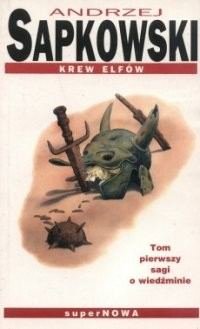
1994 · The Witcher, book 1 · Fantasy · Epic Fantasy, Dark Fantasy
The saga proper begins: Ciri, child princess of sacked Cintra and Geralt's destiny-bound 'Child Surprise', is hidden at the witchers' crumbling keep of Kaer Morhen, trained in swordwork by men engineered for monster-killing and in her terrifying untrained power by Triss Merigold, then by Yennefer, whose prickly guardianship becomes the saga's emotional spine. Around the child, the continent arms: Nilfgaard digests its conquests, the northern kings plot pre-emptive murder, elves radicalise into Scoia'tael guerrillas, and every faction's plan begins with acquiring one girl. Sapkowski trades the stories' case-of-the-week structure for slow-burning geopolitics with prejudice as the actual battlefield.
Series
b. 1960 · British
The defining mythic fantasist of his generation: Sandman legitimised comics as literature, American Gods codified the gods-among-us novel, and his fairy-tale register shaped two decades of fantasy, YA and screen storytelling.
1906–1936 · American
Sword and sorcery begins with Howard, full stop.
1947–2015 · British
The great sensualist of fantasy and a key architect of its dark, eroticised register — the bridge between Moorcock's generation and modern dark fantasy and paranormal fiction.
