Author Profile · Fantasy & Horror
Robert E. Howard
1906–1936 · American
Who was Robert E. Howard?
A Texan doctor's son who pounded out fiction for the pulps from the small town of Cross Plains, shouting his prose aloud as he typed, and in a career of barely a dozen years invented sword and sorcery outright. Conan the Cimmerian is the famous one — barbarian, thief, mercenary and eventually king by his own hand — but Howard also gave us the Puritan avenger Solomon Kane, the Pictish king Bran Mak Morn and Kull of Atlantis, all driven by his brooding theme of barbarism versus a civilisation he reckoned was the thinner veneer. He died by his own hand at thirty, leaving a genre behind him.
Why they matter
Sword and sorcery begins with Howard, full stop. His headlong narrative drive and his iron melancholy shaped Leiber, Moorcock and the entire heroic fantasy tradition, and Conan remains one of fantasy's few truly mythic figures.
Essential books — and where to start
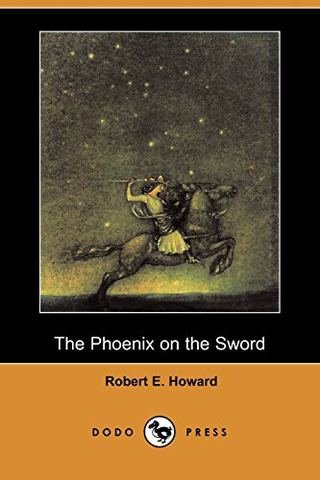
1932 · Conan the Cimmerian · Fantasy · Sword and Sorcery, Heroic Fantasy
The first published Conan story (a novella in Weird Tales, reworked from an unsold Kull tale) finds the Cimmerian already middle-aged and uneasily crowned king of Aquilonia, beset by conspirators within and a demonic horror summoned from without. Howard's masterstroke was starting at the end: Conan arrives complete, his legend implied rather than catalogued, brooding that the throne he seized is harder to hold than to win. The prose hits like weather — fast, vivid, doom-haunted — and an entire genre walked out of it.
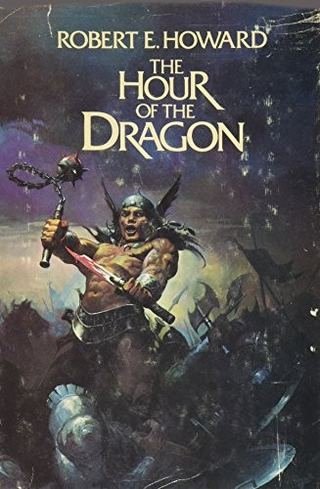
1935 · Conan the Cimmerian · Fantasy · Sword and Sorcery, Heroic Fantasy
The only full-length Conan novel, serialised in Weird Tales 1935–36. A cabal of plotters resurrects the ancient sorcerer Xaltotun of Acheron to depose King Conan, who must escape dungeons, cross a hostile continent and recover the Heart of Ahriman to reclaim his throne. Howard deliberately stitched together the best beats of earlier stories for a British book deal that fell through, producing a kind of greatest-hits quest narrative: pirates, necromancers, vampires and battlefield carnage at a relentless gallop. As pure-blooded adventure fantasy, it has rarely been bettered.
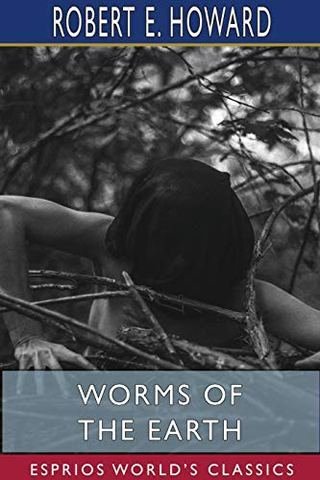
1932 · Fantasy · Sword and Sorcery, Weird Fiction, Dark Fantasy
Bran Mak Morn, last king of the dwindling Picts, watches a Roman governor crucify one of his people and swears vengeance by any means — including bargaining with the Worms of the Earth, a degenerate serpent-folk driven underground aeons ago and now barely remembering they were ever human. He gets his revenge, and the story's terrible lesson is the price of using weapons older and fouler than your enemy. Many critics rate this novella, not any Conan tale, as Howard's single finest piece of writing.
Series
b. 1948 · Polish
The most successful fantasy export in any translation since Tolkien's heyday: the Witcher saga brought Slavic folklore and Central European irony into the genre's mainstream and, via its adaptations, reshaped fantasy's global media economy.
b. 1952 · British
The most original British horror voice of his generation: Barker rewired the genre's relationship with the body and desire, founded the dark-fantasy register a generation now writes in, and gave horror cinema one of its enduring mythologies.
1910–1992 · American
The bridge between Howard and modern fantasy, the founder of urban supernatural horror, and sword and sorcery's official christener.
