The Last Wish
The entry point of the saga that became Poland's great fantasy export: source material for CD Projekt Red's genre-defining games and Netflix's series, and the book that put Slavic folklore at fantasy's global table.

The essential authors of science fiction, fantasy & horror — and where to start reading them.
Book Entry · Fantasy
by Andrzej Sapkowski · 1994 · The Witcher, book 1
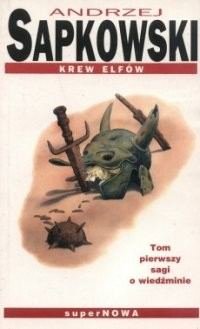
The saga proper begins: Ciri, child princess of sacked Cintra and Geralt's destiny-bound 'Child Surprise', is hidden at the witchers' crumbling keep of Kaer Morhen, trained in swordwork by men engineered for monster-killing and in her terrifying untrained power by Triss Merigold, then by Yennefer, whose prickly guardianship becomes the saga's emotional spine. Around the child, the continent arms: Nilfgaard digests its conquests, the northern kings plot pre-emptive murder, elves radicalise into Scoia'tael guerrillas, and every faction's plan begins with acquiring one girl. Sapkowski trades the stories' case-of-the-week structure for slow-burning geopolitics with prejudice as the actual battlefield.
Premio Ignotus and (retrospectively) David Gemmell Legend Award winner: the pivot from celebrated stories to continental saga, and the template for the games' and series' Ciri-centred mythology.
Geralt of Rivia, Yennefer, Ciri and a continent where the monsters are the honest party: Sapkowski's Slavic saga, globalised by games and television.
In the Guide from The Witcher:
Prefer Amazon? Buying through these links may earn SFcrowsnest a small commission, at no extra cost to you.
Buy on Amazon UK → Buy on Amazon US →As an Amazon Associate, SFcrowsnest earns from qualifying purchases.
The entry point of the saga that became Poland's great fantasy export: source material for CD Projekt Red's genre-defining games and Netflix's series, and the book that put Slavic folklore at fantasy's global table.
The book where the Shannara saga found its own voice; its tree-rebirth tragedy remains one of commercial fantasy's most affecting endings, and it anchored the MTV adaptation.
The founding novel of anti-escapist fantasy — a bestseller that split readers permanently and opened the territory grimdark later settled; the Land's rendered beauty remains the genre's sharpest weapon against its own hero.