Blood of Elves
Premio Ignotus and (retrospectively) David Gemmell Legend Award winner: the pivot from celebrated stories to continental saga, and the template for the games' and series' Ciri-centred mythology.

The essential authors of science fiction, fantasy & horror — and where to start reading them.
Book Entry · Fantasy
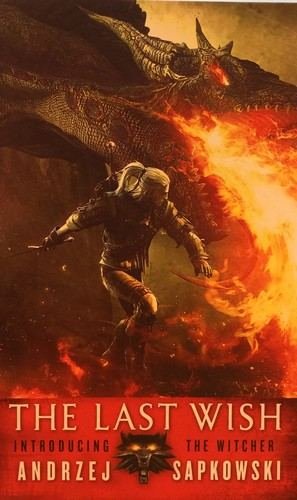
The foundational Geralt collection: linked stories in which the white-haired witcher takes contracts that are never quite what the posting said — a striga who is a king's cursed daughter (kill or cure, and curing pays worse), a devil in the fields who is nothing of the sort, Beauty and the Beast and Snow White retold until the fairy tale confesses its economics, and the djinn whose final wish binds Geralt to the sorceress Yennefer, the saga's great catastrophic romance, in the title story. Sapkowski's register — folkloric matter, modern irony, arguments about lesser evils that end with everyone bleeding — arrives complete.
The entry point of the saga that became Poland's great fantasy export: source material for CD Projekt Red's genre-defining games and Netflix's series, and the book that put Slavic folklore at fantasy's global table.
Geralt of Rivia, Yennefer, Ciri and a continent where the monsters are the honest party: Sapkowski's Slavic saga, globalised by games and television.
In the Guide from The Witcher:
Prefer Amazon? Buying through these links may earn SFcrowsnest a small commission, at no extra cost to you.
Buy on Amazon UK → Buy on Amazon US →As an Amazon Associate, SFcrowsnest earns from qualifying purchases.
Premio Ignotus and (retrospectively) David Gemmell Legend Award winner: the pivot from celebrated stories to continental saga, and the template for the games' and series' Ciri-centred mythology.
Winner of the Hugo, Nebula, Locus and Bram Stoker awards in one sweep — the codifying text of the gods-among-us genre — and a Starz television series besides.
A Nebula nominee published as a DAW paperback original that proved heroic fantasy could centre a female consciousness; the foremother of the genre's entire dark-heroine lineage.