
Devilman
A gentle boy merges with a demon to fight worse demons, with apocalyptic results; Nagai's grotesque, hugely influential horror, reborn for a new generation as 2018's Crybaby.
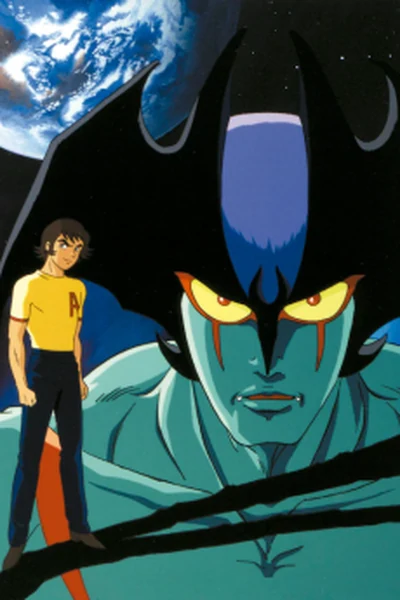
Gentle teenager Akira Fudo learns from his friend Ryo Asuka that demons once ruled Earth and are returning. To fight them, Akira merges with the demon Amon while retaining a human heart. He gains horns, wings and power; humanity gains a protector it is temperamentally unlikely to thank in a measured fashion.
Go Nagai created the manga and a very different Toei television anime in 1972. The manga's short run became one of Japanese horror's most influential apocalyptic works. Later OVAs, spin-offs and Masaaki Yuasa's 2018 Devilman Crybaby repeatedly returned to its mixture of demonic flesh and human panic.
Overview
Akira becomes Devilman after a violent Sabbath intended to attract possession. He fights demons while protecting Miki Makimura and confronting revelations delivered by Ryo with the calm timing of a friend who has mislaid several essential disclosures.
The manga widens from monster combat into mass paranoia. Once society believes demons can hide inside people, suspicion becomes a weapon requiring no supernatural ability. Nagai's true horror is not that demons exist but that humans need little encouragement to imitate them.
Why it matters
Devilman influenced Berserk, Evangelion and generations of apocalyptic manga. Its abrupt escalation, sexual grotesquerie and refusal of a safe heroic order broke sharply from conventional children's action.
The drawings can look crude beside later horror art, but their rawness gives the violence feverish force. Nagai moves from pulp speed to images of suffering and crowds that remain difficult to shake.
What to expect
Expect extreme violence, nudity, sexual assault, body horror, mob cruelty, child death and apocalypse. This is adult material. Crybaby adds explicit sex, drugs and modern social media while preserving the central tragedy.
Queer desire is important, particularly in later interpretation, though it exists within a story shaped by repression and catastrophe rather than uncomplicated representation.
Adaptations and versions
The 1972 Toei anime turns Devilman into a more conventional monster-fighting hero and is essentially an alternate property. The Birth and Demon Bird OVAs adapt early manga material with 1980s–90s gore; Amon tackles later horror.
Devilman Crybaby compresses the whole premise into ten episodes, updating its setting and using Science SARU's elastic animation. It is the strongest screen entry but not a gentle one.
Where to start
Read Nagai's original manga or watch Crybaby. Do both to see how an adaptation can radically change surface, period and rhythm while preserving the same wound. The 1972 anime is historical dessert from another menu.
Verdict The SFcrowsnest take
Devilman is ugly, compassionate and apocalyptic in the proper sense: it reveals what was already present. Demons provide the anatomy; human fear supplies the ending.
Nagai's manga is essential horror history, and Crybaby a ferocious modern translation. Approach with every content warning switched on and no expectation that kindness will receive institutional support.