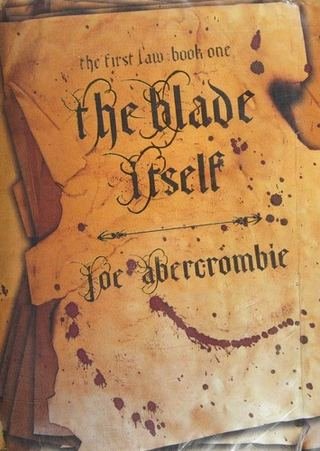
1. The Blade Itself
The modern gateway: Abercrombie assembles fantasy's classic hero package and lets every archetype curdle on contact with reality. Glokta's interior monologue alone is worth the cover price.

The essential authors of science fiction, fantasy & horror — and where to start reading them.
Recommended Reading List · 7 books
Mud, consequences and heroes you wouldn't lend money to.
Grimdark is epic fantasy with the plot armour removed: wars have logistics, heroes have hangovers, and the moral high ground is above everyone's pay grade. This route starts with the modern style at its most readable and works back to the ancestors who made it possible. You have to be realistic about these things.
The modern gateway: Abercrombie assembles fantasy's classic hero package and lets every archetype curdle on contact with reality. Glokta's interior monologue alone is worth the cover price.
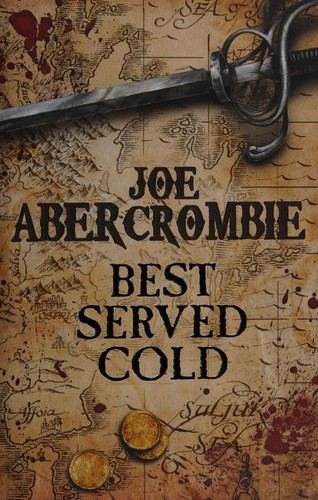
The standalone masterclass: seven revenges, escalating costs, and the subgenre's definitive verdict on vengeance. Read after the trilogy for maximum collateral damage.
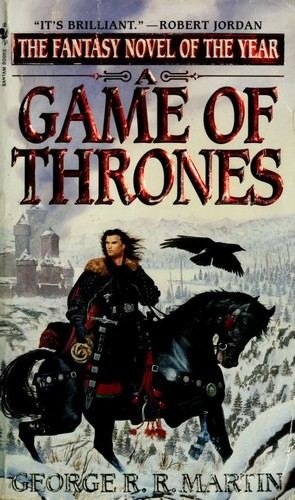
The book that retrained a genre's readers: honour as a fatal pre-existing condition, and nobody safe. If you've only seen the series, the source is sharper.
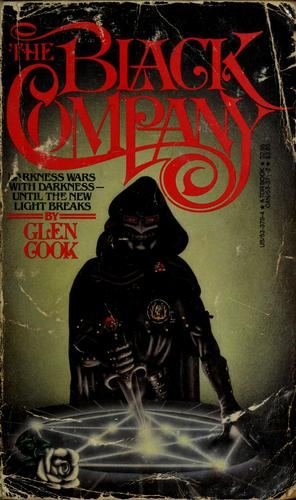
The wellspring: epic fantasy from the mud, narrated by the mercenary company's physician, employed by the wrong side and keeping honest records. Everything grimdark descends from Croaker's Annals.
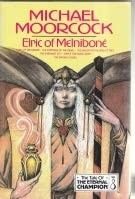
The pale ancestor: Moorcock's doomed albino emperor and his soul-drinking sword inverted heroic fantasy decades before anyone coined the g-word.
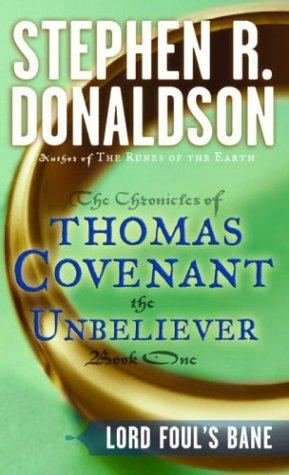
The hard case: fantasy's first truly unforgivable protagonist, in a Land too beautiful for him to believe in. Not comfortable; foundational.
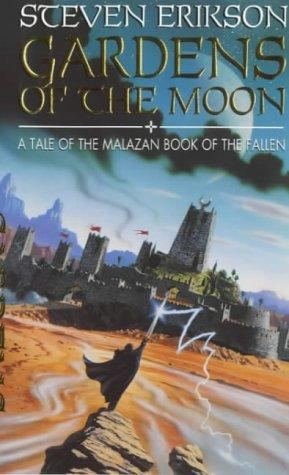
The deep end: Erikson drops you mid-war, mid-pantheon, no armbands. The most demanding book here and, ten volumes later, the most rewarding.
Brass, steam and revolution: where to begin among the airships.
From back-garden starships to the heat death of everything: nine ships, one genre.
Nine encounters, from Woking to the Dark Forest — and almost none of them go well.