Author Profile · Fantasy & Science Fiction
Michael Moorcock
b. 1939 · British
Who is Michael Moorcock?
Editing magazines from his teens and fronting the revolutionary New Worlds by twenty-four, Moorcock ran the British New Wave like a pirate radio station — publishing Ballard and Aldiss's experiments, scandalising the establishment, and funding it all by writing sword and sorcery at sixty thousand words a weekend. From that furnace came Elric of Melniboné, the doomed albino emperor whose soul-drinking sword inverted every Conan cliché, and behind him the vast architecture of the Eternal Champion and the Multiverse — a term Moorcock put into genre circulation decades before Marvel monetised it. Jerry Cornelius, Gloriana, Mother London, Hawkmoon: few writers have built more worlds or torn down more idols.
Why they matter
Twice a revolutionary: as editor he made the New Wave happen, and as writer he rewired heroic fantasy with Elric, whose shadow falls on every brooding anti-hero with a cursed weapon since. The Multiverse and the Law/Chaos axis are now load-bearing walls of the entire fantastic.
Essential books — and where to start
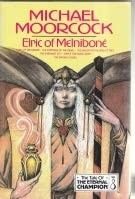
1972 · The Elric Saga, book 1 · Fantasy · Sword and Sorcery, Dark Fantasy
Elric, 428th emperor of the dreaming island empire that ruled the world for ten thousand cruel years, is an albino sustained by drugs, given to introspection and mercy — failings, by Melnibonéan standards — and challenged for the Ruby Throne by his magnificently vicious cousin Yyrkoon. The duel for the throne and for Cymoril's life leads him to the black runesword Stormbringer, which drinks souls and feeds him their strength: the addiction, dependency and doom of the entire saga in one transaction. Moorcock wrote Elric explicitly as the anti-Conan — weak where Conan is strong, civilised where he is barbaric, and far more dangerous to his friends.
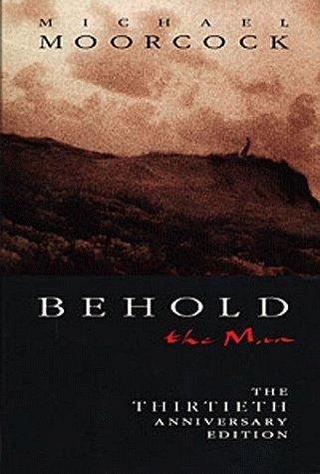
1969 · Science Fiction · Time Travel, New Wave SF, Literary SF
Karl Glogauer — neurotic, Jung-obsessed, fleeing a failed life and a withering relationship — rides a time machine to Judaea, AD 28, to witness the crucifixion and settle whether any of it was true. He finds John the Baptist easily enough; Jesus of Nazareth, however, proves to be a congenitally disabled man incapable of ministry, and the story Karl came to verify is vacant, waiting for someone who knows every line of it. The logic of the ending is merciless and the title tells you anyway. Expanded from the Nebula-winning 1966 novella.
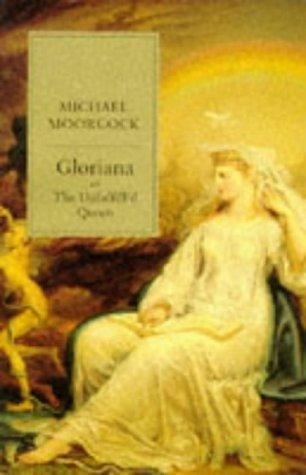
1978 · Fantasy · Historical Fantasy, Literary SF, Gaslamp Fantasy
In an alternate Albion ruled by Queen Gloriana — her empire golden, her court a façade concealing a hidden palace-within-the-walls of spies and grotesques, her private unfulfilment a matter of state — the urbane assassin Captain Quire is commissioned to corrupt the queen and unpick the realm. Moorcock's tribute-cum-argument with Spenser and Peake (the book is dedicated to him) is his most richly upholstered novel, a baroque machine of intrigue interrogating whether a golden age can be built on buried crimes. The controversial climax was revised by the author in later editions; both versions still spark argument.
Series
1928–1982 · American
The genre's great metaphysician.
b. 1948 · Polish
The most successful fantasy export in any translation since Tolkien's heyday: the Witcher saga brought Slavic folklore and Central European irony into the genre's mainstream and, via its adaptations, reshaped fantasy's global media economy.
1920–2012 · American
The writer who proved science fiction could be literature without apologising.
