Best Served Cold
The model post-trilogy standalone: proof grimdark could carry Jacobean revenge-tragedy structure at blockbuster pace, and the consensus pick for Abercrombie's masterwork.

The essential authors of science fiction, fantasy & horror — and where to start reading them.
Book Entry · Fantasy
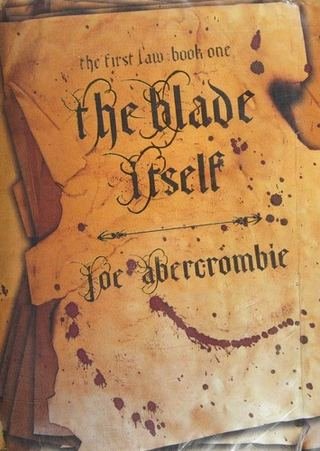
by Joe Abercrombie · 2006 · The First Law, book 1
Logen Ninefingers, the most feared killer in the North, falls off a cliff and decides to try being a better man, with mixed results; Inquisitor Glokta — once the Union's most dazzling swordsman, now a torturer rebuilt by enemy torturers, narrating through gritted remnants of teeth — investigates treason he mostly invents on order; and Captain Jezal dan Luthar, a magnificent waste of tailoring, trains for a fencing title he hasn't earned. Convening them: Bayaz, First of the Magi, bald, genial and the most quietly sinister wizard in modern fantasy. Abercrombie assembles the classic quest party and lets each member's interior monologue file dissenting reports.
Grimdark's defining debut: the close-voice, blackly comic register it established is now the house style of adult fantasy, and Glokta is the subgenre's signature creation.
Logen Ninefingers, Inquisitor Glokta, the wizard Bayaz and the gap between heroic archetype and human wreckage: grimdark's definitive trilogy and its standalone successors.
In the Guide from The First Law:
Prefer Amazon? Buying through these links may earn SFcrowsnest a small commission, at no extra cost to you.
Buy on Amazon UK → Buy on Amazon US →As an Amazon Associate, SFcrowsnest earns from qualifying purchases.
The model post-trilogy standalone: proof grimdark could carry Jacobean revenge-tragedy structure at blockbuster pace, and the consensus pick for Abercrombie's masterwork.
The founding volume of the dominant fantasy work of its era: Locus winner, Hugo-winning novella within (Blood of the Dragon), and source of HBO's Game of Thrones, which made Westeros a global lingua franca.
The most famous deep-end opening in fantasy and the launch of the genre's most ambitious completed epic: the ten-volume Book of the Fallen, delivered at a book a year, redefined what scale and difficulty a mainstream series could sustain.