The Left Hand of Darkness
Hugo and Nebula winner, the founding masterpiece of feminist SF, and a permanent fixture at the top of all-time lists.

The essential authors of science fiction, fantasy & horror — and where to start reading them.
Book Entry · Science Fiction
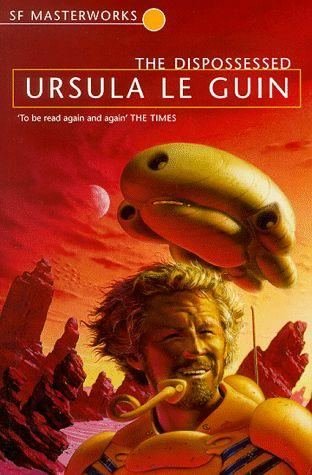
Physicist Shevek leaves Anarres — the anarchist moon settled by exiles a hundred and seventy years before — for the lush capitalist mother-world Urras, carrying a theory of time that will make ansible-instant communication possible, and the heresy that even an anarchy can calcify into conformism. Le Guin alternates the two worlds chapter by chapter, structuring the book like Shevek's physics, and subtitles it 'an ambiguous utopia' with scrupulous honesty: Anarres is dusty, hungry, magnificent and flawed, and the novel weighs it against abundance-with-masters without cheating either side.
Hugo, Nebula and Locus winner; the standard against which all political SF is measured, taught in politics departments as readily as literature ones.
Le Guin's loose future history of worlds seeded by ancient Hain, visited one by one by envoys of the Ekumen — anthropological SF's defining sequence.
In the Guide from The Hainish Cycle:
Prefer Amazon? Buying through these links may earn SFcrowsnest a small commission, at no extra cost to you.
Buy on Amazon UK → Buy on Amazon US →As an Amazon Associate, SFcrowsnest earns from qualifying purchases.
Hugo and Nebula winner, the founding masterpiece of feminist SF, and a permanent fixture at the top of all-time lists.
Hugo winner (1989) and a regular pick for the best SF novel about cloning ever written; its psychogenesis arguments anticipate decades of behavioural-genetics debate.
Widely rated among the finest SF novels about colonialism; its sacramental aliens and penitent imperialist predate (and arguably outclass) several famous successors, Avatar included.