The Vampire Lestat
The volume that built the Vampire Chronicles into a saga and a phenomenon — Lestat became the model immortal antihero, and the book's vampire-as-rock-star conceit defined gothic culture's 1980s–90s imagination.

The essential authors of science fiction, fantasy & horror — and where to start reading them.
Book Entry · Horror
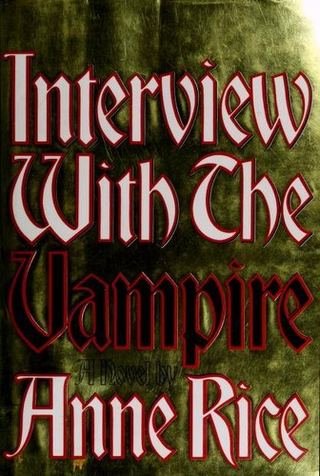
by Anne Rice · 1976 · The Vampire Chronicles, book 1
In a San Francisco room, a vampire tells a boy with a tape recorder his two hundred years: Louis, the Louisiana planter who accepted Lestat's dark gift in 1791 and has regretted the company ever since; the child Claudia, made immortal at five and ripening into a woman's mind trapped in a doll's body — the book's great horror and its great grief, written from Rice's loss of her own daughter; the Théâtre des Vampires, and the discovery that the old world holds no answers, only older vampires. The confessional structure made the monster the consciousness, and the genre has never reversed it.
The founding text of sympathetic vampire fiction — ancestor of everything from Buffy's brooding ensemble to paranormal romance entire — filmed in 1994 with Cruise and Pitt and serialised by AMC; among the bestselling horror novels ever.
Louis, Lestat, Claudia and the immortal demi-monde of New Orleans and Paris: Rice's saga of vampires as narrators, philosophers and catastrophic romantics.
In the Guide from The Vampire Chronicles:
Prefer Amazon? Buying through these links may earn SFcrowsnest a small commission, at no extra cost to you.
Buy on Amazon UK → Buy on Amazon US →As an Amazon Associate, SFcrowsnest earns from qualifying purchases.
The volume that built the Vampire Chronicles into a saga and a phenomenon — Lestat became the model immortal antihero, and the book's vampire-as-rock-star conceit defined gothic culture's 1980s–90s imagination.
The most influential horror novel in the language: the source code for vampire fiction and a permanent fixture of world culture, from Nosferatu and the Lugosi and Lee films onward.
Widely rated among the best vampire novels of the century — Martin's pre-Westeros masterpiece, demonstrating the moral-greyness machinery a decade before A Game of Thrones, and a clear ancestor of the sympathetic-vampire mainstream.