Dracula
The most influential horror novel in the language: the source code for vampire fiction and a permanent fixture of world culture, from Nosferatu and the Lugosi and Lee films onward.

The essential authors of science fiction, fantasy & horror — and where to start reading them.
Book Entry · Horror
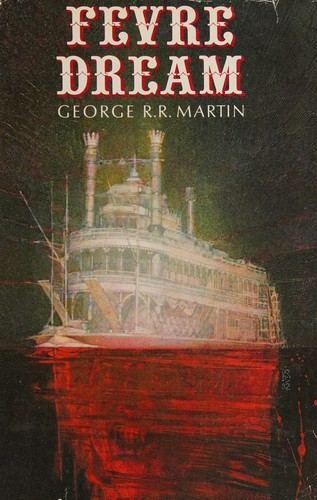
Mississippi, 1857: ruined steamboat captain Abner Marsh accepts a devil's-bargain partnership with the pale, nocturnal aristocrat Joshua York — unlimited funds to build the fastest boat on the river, no questions about the night stops. York is a vampire, but the twist is his project: a synthesised substitute for blood and a one-man reformation of his predatory species, opposed by the plantation-bred vampire Damon Julian, who regards humanity as cattle and reform as blasphemy. Marsh — fat, ugly, honest and brave — is one of Martin's finest creations, and the riverboat race against Julian's corrupted Fevre Dream is the book's heart-stopper.
Widely rated among the best vampire novels of the century — Martin's pre-Westeros masterpiece, demonstrating the moral-greyness machinery a decade before A Game of Thrones, and a clear ancestor of the sympathetic-vampire mainstream.
Prefer Amazon? Buying through these links may earn SFcrowsnest a small commission, at no extra cost to you.
Buy on Amazon UK → Buy on Amazon US →As an Amazon Associate, SFcrowsnest earns from qualifying purchases.
The most influential horror novel in the language: the source code for vampire fiction and a permanent fixture of world culture, from Nosferatu and the Lugosi and Lee films onward.
The founding text of sympathetic vampire fiction — ancestor of everything from Buffy's brooding ensemble to paranormal romance entire — filmed in 1994 with Cruise and Pitt and serialised by AMC; among the bestselling horror novels ever.
The volume that built the Vampire Chronicles into a saga and a phenomenon — Lestat became the model immortal antihero, and the book's vampire-as-rock-star conceit defined gothic culture's 1980s–90s imagination.