Author Profile · Science Fiction & Fantasy
Robert Silverberg
b. 1935 · American
Who is Robert Silverberg?
A Brooklyn wunderkind who won a Hugo as best new author in 1956 and proceeded to write, by his own cheerful admission, millions of words of competent filler under a phone book of pseudonyms — before the field's rising ambitions lured him back as a born-again literary novelist. The run from 1967 to 1976 is one of the great hot streaks in SF: Thorns, Downward to the Earth, Dying Inside, Nightwings, A Time of Changes — psychologically dense, formally adventurous, obsessed with alienation and transcendence. He retired, returned with the lush planetary epic Lord Valentine's Castle, and has since settled into Grand Master eminence as the field's living institutional memory.
Why they matter
The field's great professional, whose 1970s novels proved commercial SF writers could retool into literary ones. Dying Inside is the standard exhibit for SF as character study, and Majipoor remains one of the genre's grandest invented worlds.
Essential books — and where to start
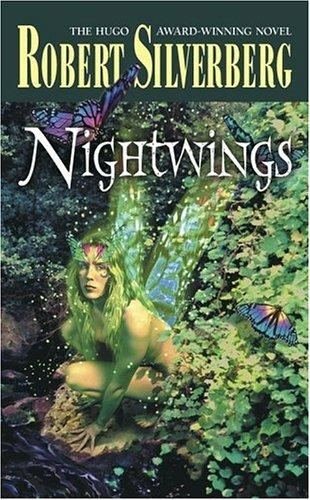
1969 · Science Fiction · Science Fantasy, Literary SF
In Earth's Third Cycle, humanity is organised into guilds — Watchers who scan the skies for a prophesied invasion, Fliers with gossamer wings, Rememberers who curate the planet's glories and crimes. An ageing Watcher crosses Europe to Roum with the winged Avluela and a sardonic Changeling, arriving just in time for his lifelong vigil to be vindicated: the invaders come, and they have an old, legitimate bill to collect. Silverberg's elegy for a senescent Earth glows with autumnal beauty, and its theme — redemption through renewal, personal and planetary — makes the conquest of humanity read almost like grace.
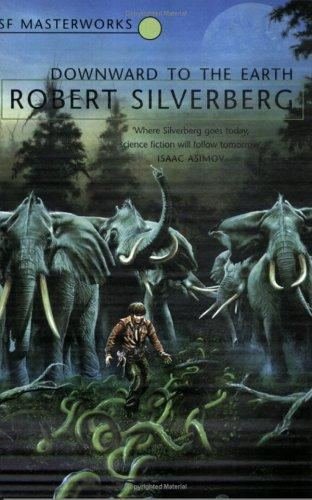
1970 · Science Fiction · Anthropological SF, First Contact, Literary SF
Edmund Gundersen returns to Belzagor, the jungle world he once helped administer, eight years after Earth relinquished it to its two native species — the elephantine nildoror and the fierce sulidoror — carrying a colonial administrator's guilt and a tourist visa. His pilgrimage upcountry to the mist sites, where the nildoror undergo their sacramental rebirth, becomes an application to undergo it himself: atonement by transfiguration. Silverberg's Conrad homage (a character is named Kurtz, lest anyone miss it) turns Heart of Darkness inside out — the horror upriver is replaced by something the coloniser must beg to join.
1972 · Science Fiction · Literary SF, Social SF
David Selig, Manhattan-born telepath, has spent forty years using the gift that should have made him a god to eavesdrop, seduce and scrape a living ghost-writing term papers for Columbia students — and now, in middle age, the power is fading like eyesight, leaving him alone inside his own skull for the first time. Silverberg structures it as Selig's self-lacerating confession, swerving between decades, registers and one bravura term paper on Kafka. The SF premise is a scalpel for the mainstream subject: diminishment, wasted talent and the terror of ordinary silence.
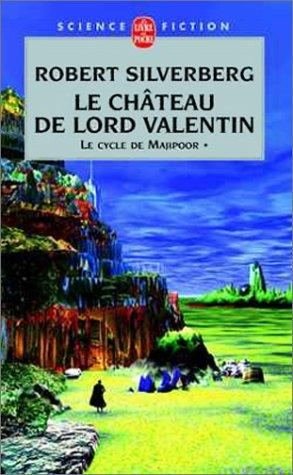
1980 · Majipoor, book 1 · Science Fiction · Planetary Romance, Science Fantasy, Epic Fantasy
A young man called Valentine wakes outside the city of Pidruid with pockets full of money and a mind empty of past, and contentedly joins a troupe of travelling jugglers — until dreams (a regulated public utility on Majipoor, policed by the Lady of the Isle and the King of Dreams) inform him he is the planet's deposed Coronal, body-swapped and discarded. The continent-spanning journey to reclaim Castle Mount rolls through one of SF's most generously imagined worlds: twenty billion people, six species, dream-courts and juggling described with such love the reader emerges half-trained.
Series
1931–2019 · American
The genre's most acclaimed pure writer: the standard demonstration that SF can sustain — and reward — the closest reading literature allows.
1937–1995 · American
The New Wave's mythographer, who fused literary technique with pulp velocity and made it look effortless.
1925–2017 · British
The bridge between British SF's catastrophe tradition and the New Wave he helped detonate.
