Behold the Man
Nebula winner and the New Wave's most notorious provocation: time-travel paradox as theology, handled with a seriousness that outlasted the scandal.

The essential authors of science fiction, fantasy & horror — and where to start reading them.
Book Entry · Science Fiction
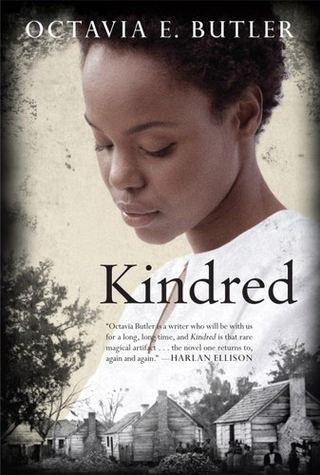
Dana, a Black writer in 1976 Los Angeles, is wrenched without mechanism or warning to antebellum Maryland whenever Rufus Weylin — white, reckless, and her own ancestor — is about to die. Each rescue strands her longer in slavery; each return home (triggered only by mortal fear) costs more, until the final trip takes her arm at the wall of the present. Butler called it a grim fantasy rather than SF, and used the time-slip to make slavery tactile for readers numbed by history lessons: the education of how survival is negotiated, and what it does to everyone party to it.
The most-taught novel in the SF canon and the genre's definitive engagement with American slavery; adapted as a graphic novel and a 2022 television series.
Prefer Amazon? Buying through these links may earn SFcrowsnest a small commission, at no extra cost to you.
Buy on Amazon UK → Buy on Amazon US →As an Amazon Associate, SFcrowsnest earns from qualifying purchases.
Nebula winner and the New Wave's most notorious provocation: time-travel paradox as theology, handled with a seriousness that outlasted the scandal.
The two-volume novel swept the Hugo, Nebula and Locus awards (2011); the culminating statement of Willis's argument that history is held together by unrecorded decency.
Hugo, Nebula and Locus winner; the standard against which all political SF is measured, taught in politics departments as readily as literature ones.