Author Profile · Fantasy & Science Fiction
N. K. Jemisin
b. 1972 · American
Who is N. K. Jemisin?
A Brooklyn counselling psychologist who wrote her early novels before work and became the first author in history to win the Best Novel Hugo three years running — one for each volume of the Broken Earth trilogy, a feat without precedent in the award's seven decades. Her Stillness is a supercontinent of recurring apocalypses where orogenes, humans who can quell or cause earthquakes, are enslaved by the society that fears them: structural oppression rendered as geology, narrated partly in a second person whose justification, when it lands, re-frames the trilogy. The Inheritance Trilogy did gods in chains; The City We Became gave New York's boroughs avatars and Lovecraft an eviction notice. A MacArthur Fellowship (2020) made the institutional verdict official.
Why they matter
The defining SFF writer of the 2010s: the unprecedented Hugo three-peat marked the genre's centre of gravity shifting — formally, demographically and thematically — and the Broken Earth is already canon, taught from secondary schools to doctoral seminars.
Essential books — and where to start
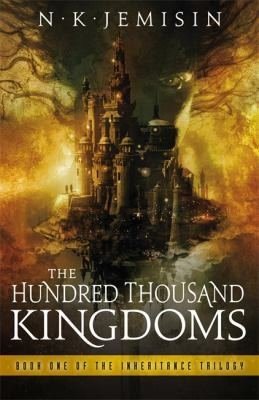
2010 · The Inheritance Trilogy, book 1 · Fantasy · Epic Fantasy, Mythic Fantasy
Yeine Darr, ruler of a 'barbarian' northern kingdom and granddaughter of the man who runs the world, is summoned to the palace of Sky and named — to universal astonishment, hers included — an heir to the Arameri throne, which is less an honour than an arena. The family's power source lives in the palace basement and walls: the Enefadeh, gods who lost a war, enslaved as tools, including the Nightlord Nahadoth, chaos chained into a shape that kills what it loves. Yeine's murdered mother, the succession trap and her own developing entanglement with the imprisoned god converge on a transformation the trilogy spends two more books pricing. Theology as palace thriller, with the divine family dynamics played for full operatic damage.
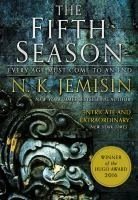
2015 · The Broken Earth, book 1 · Fantasy · Epic Fantasy, Dystopia, Post-Apocalyptic
The Stillness ends the world regularly — Fifth Seasons, continent-scale geological catastrophes survived on stonelore and ruthlessness — and manages the orogenes who could prevent or cause them by enslaving them to the Fulcrum, when communities don't simply kill them as children. Three women thread the narrative: Damaya, taken; Syenite, bred and assigned; and Essun, in second person, walking out of a personal apocalypse (her son, killed by his father for what he was) into the planetary one just beginning. The three-strand structure conceals a mechanism that, when it engages, re-reads as inevitability. Oppression rendered as tectonics, with the rage load-bearing.
Series
b. 1949 · American
Among the most awarded novelists in the field's history and the writer who proved space opera could be character-driven comedy of manners without losing its nerve.
1929–2018 · American
The genre's most honoured writer and its moral centre of gravity: the standard demonstration that SF and fantasy can do everything literature does, plus things only they can.
b. 1972 · British
The central figure of the New Weird and the most formally restless major fantasist of his generation: Miéville re-opened the weird tradition for the twenty-first century and made genre hybridity itself a respectable literary project.
