The Dragonbone Chair
The founding text of revisionist epic fantasy: George R.

The essential authors of science fiction, fantasy & horror — and where to start reading them.
Book Entry · Fantasy
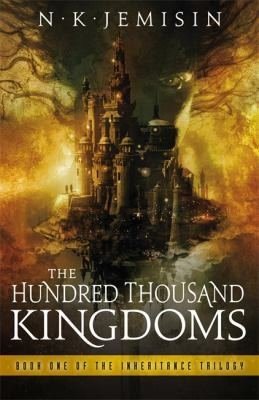
by N. K. Jemisin · 2010 · The Inheritance Trilogy, book 1
Yeine Darr, ruler of a 'barbarian' northern kingdom and granddaughter of the man who runs the world, is summoned to the palace of Sky and named — to universal astonishment, hers included — an heir to the Arameri throne, which is less an honour than an arena. The family's power source lives in the palace basement and walls: the Enefadeh, gods who lost a war, enslaved as tools, including the Nightlord Nahadoth, chaos chained into a shape that kills what it loves. Yeine's murdered mother, the succession trap and her own developing entanglement with the imprisoned god converge on a transformation the trilogy spends two more books pricing. Theology as palace thriller, with the divine family dynamics played for full operatic damage.
The debut that announced the decade's defining new voice — Locus First Novel winner, Hugo/Nebula finalist — and opened the door the Broken Earth would later walk through with three Hugos in hand.
Gods enslaved as palace weapons and the mortals entangled with them: Jemisin's debut trilogy of theology, empire and extremely bad divine family dynamics.
In the Guide from The Inheritance Trilogy:
Prefer Amazon? Buying through these links may earn SFcrowsnest a small commission, at no extra cost to you.
Buy on Amazon UK → Buy on Amazon US →As an Amazon Associate, SFcrowsnest earns from qualifying purchases.
The founding text of revisionist epic fantasy: George R.
The most influential fantasy work ever written and among the most-read novels of the twentieth century: the genre's commercial category, quest architecture and worldbuilding standard all descend from it.
The trilogy's later volumes took the World Fantasy Award (Madouc, 1990); its blend of folklore and statecraft visibly influenced Gaiman's Stardust and modern fairy-tale epic alike.