The Chrysalids
A staple of school syllabuses across the Commonwealth and arguably the best thing Wyndham wrote; its influence runs through YA dystopia's entire bloodline.

The essential authors of science fiction, fantasy & horror — and where to start reading them.
Book Entry · Fantasy
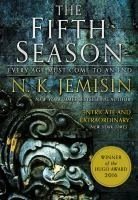
by N. K. Jemisin · 2015 · The Broken Earth, book 1
The Stillness ends the world regularly — Fifth Seasons, continent-scale geological catastrophes survived on stonelore and ruthlessness — and manages the orogenes who could prevent or cause them by enslaving them to the Fulcrum, when communities don't simply kill them as children. Three women thread the narrative: Damaya, taken; Syenite, bred and assigned; and Essun, in second person, walking out of a personal apocalypse (her son, killed by his father for what he was) into the planetary one just beginning. The three-strand structure conceals a mechanism that, when it engages, re-reads as inevitability. Oppression rendered as tectonics, with the rage load-bearing.
Hugo winner 2016 — first volume of the unprecedented three-peat — and an instant canon entry: the most influential fantasy novel of its decade, on syllabuses from sixth forms to doctoral programmes.
The Stillness, its Fifth Seasons and the enslaved earth-movers who end the world and remake it: the first trilogy to win three consecutive Best Novel Hugos.
In the Guide from The Broken Earth:
Prefer Amazon? Buying through these links may earn SFcrowsnest a small commission, at no extra cost to you.
Buy on Amazon UK → Buy on Amazon US →As an Amazon Associate, SFcrowsnest earns from qualifying purchases.
A staple of school syllabuses across the Commonwealth and arguably the best thing Wyndham wrote; its influence runs through YA dystopia's entire bloodline.
Source of Blade Runner (1982), which transformed SF cinema while keeping perhaps a third of the book.
The masterpiece of interventionist-ethics SF, decades ahead of Star Trek's Prime Directive debates; twice filmed, including Aleksei German's monumental 2013 version.